Running a small school is a big job. You’ve got fewer hands on deck, tighter budgets, and a whole lot of responsibility packed into each staff role. When it comes to managing students—whether it’s tracking attendance, grades, report cards, or parent communication—you need software that works for you, not more platforms that drain your time. This is where a K-12 Student Information System (SIS) can help, but knowing what your small school actually needs is key.
An SIS built for small schools makes all the difference. Let’s dive in to see what features you need to look for in your new software.
Why Small Schools Need a Different Kind of System

Big school districts might have whole IT departments and data teams to wrangle massive, complex software systems. Small schools? Sadly, not so much. Especially when you are starting out.
Small schools often deal with issues such as:
- One person wearing multiple hats (the administrator also becomes the registrar and counselor).
- Limited training time or tech support for your school staff.
- Limited course offerings due to the absence of flexible scheduling tools.
- A need for flexibility and affordability (as every cent counts).
- A tight-knit school culture where relationships and communication matter.
Because of these factors, small schools need software that’s simple, supportive, and scalable, without the bloated features meant for massive districts.
What to Look for in a K-12 Student Information System for Small Schools
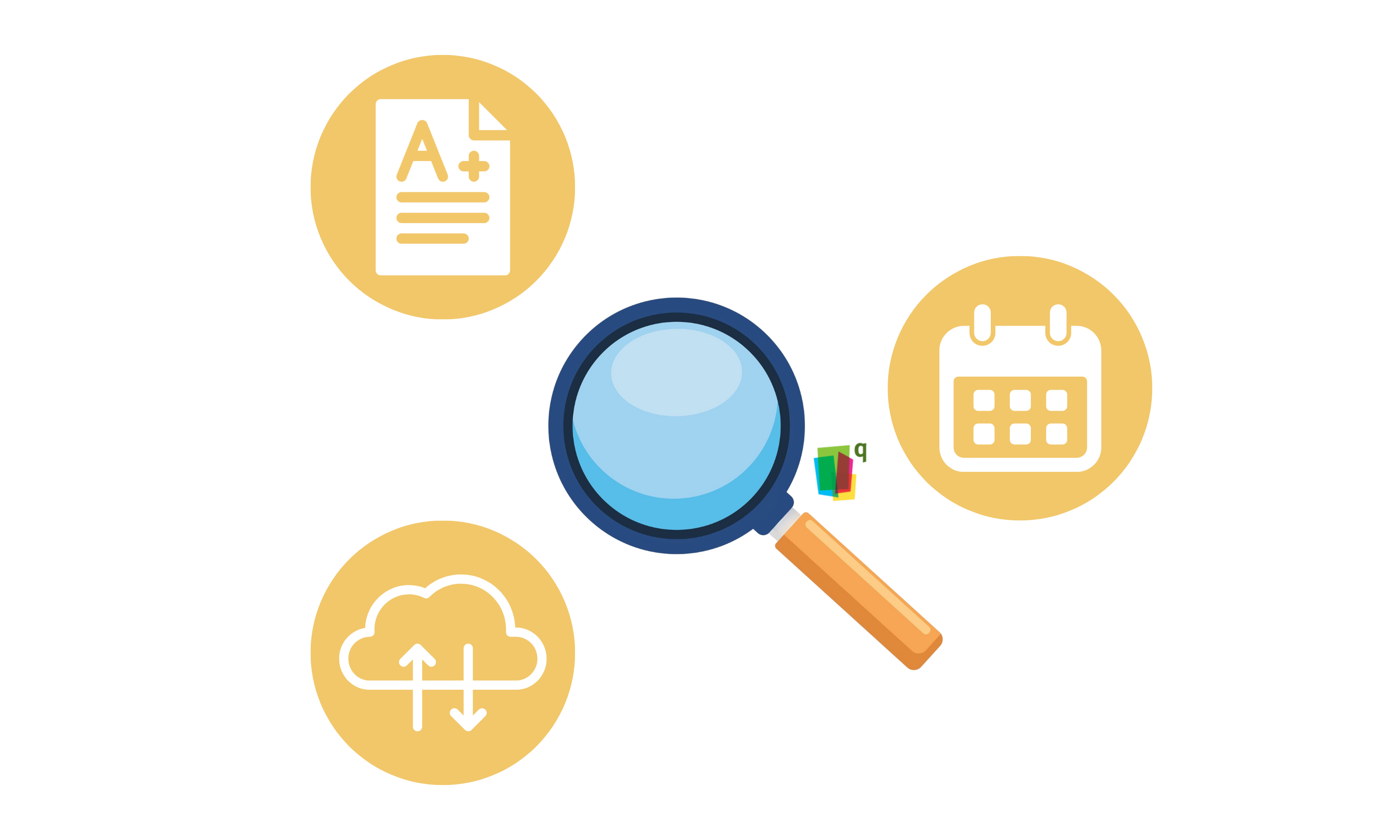
Small schools need to focus on particular key features when they are making their decisions. These include:
- Easy Setup & Intuitive Design
You don’t have time to learn a complicated new system or wait for weeks of onboarding. Look for something cloud-based that’s easy to set up and doesn’t require IT staff to maintain. Also, look for a clean interface with drag-and-drop features and smart filters. These can help you save hours of your limited time each week.
- Core Features that Cover the Essentials
When you’re running a small school, you don’t need a system with every bell and whistle. All you need are the right tools to get the job done efficiently. Here are the core features every small school should expect from a good K-12 Student Information System.
Attendance Tracking
Easily record and monitor daily attendance, late arrivals, and absences. A good system will let you view trends over time and generate attendance reports to share with staff or parents.
Gradebooks
Teachers should be able to enter and calculate grades quickly, track assignments, and view student performance all in one place for the gradebook. Bonus if it syncs with report cards automatically!
Report Cards and Transcripts
Generate clean, professional-looking report cards with your school’s grading format. Whether you use letter grades, percentage scores, or standards-based grading, a flexible system will let you customize the transcript layout to clearly reflect student progress.
Parent and Student Communication Portals
Keep everyone in the loop with secure portals where parents and students can view grades, attendance, and school updates instantly. This reduces the need for back-and-forth emails and helps build stronger school-home relationships.
Class Scheduling
Even small schools need to organize classes, rooms, and teachers efficiently. Whether you need a basic schedule builder or something more advanced, having a scheduler that matches your school’s structure can make a big difference.
More advanced SIS platforms can even handle custom report cards, standards-based grading, and transcripts tailored to your school’s unique needs and brand.
Affordable Pricing Models
Many SIS platforms charge based on a per-student rate, which can work well for small schools, as long as you’re not paying for features you don’t use. Look for systems with scalable plans, per-student pricing, or transparent pricing that fits your budget.
Responsive Customer Support
Let’s face it. When something isn’t working, you don’t want to submit a ticket and wait 48 hours or longer for a response. Having a good customer system is crucial for an SIS. Great K-12 student information system providers for small schools often offer live chat, quick email support, or even one-on-one training.

Why QuickSchools Is a Fit for Small Schools

If you’re in the market for an SIS that’s actually built with small schools in mind, QuickSchools might be worth a closer look. It’s a cloud-based system that offers:
- A built-in simple scheduler for schools that don’t need complex timetabling.
- Customizable report cards and transcripts (yes, even with your logo!).
- A super user-friendly online gradebook.
- Many communication tools to keep parents and students in the loop.
- Optional add-ons for things like admissions, discipline tracking, and more. This way, you only pay for what you need.
And the best part? It’s designed to be intuitive enough that even non-techy staff can manage it easily, while still powerful enough to grow with your school over time.
Get the K-12 Student Information System That Works Best For You
Small schools deserve smart tools. Ones that support personalized learning, streamline administrative tasks, and help your team focus on what really matters. Your students.
If your school is looking to upgrade from spreadsheets, paper folders, or clunky legacy software, a right-sized student management system could be the game-changer you’ve been waiting for.
Want to see how it might look for your school? Check out the features QuickSchools offers for small schools here. You can even take advantage of a free trial before deciding if it’s the right student management solution for your school.


[…] schedule change, and every unexpected curveball. Let’s walk through how smart schools use their Student Information System (SIS), like QuickSchools, to lead all year long and help make this season less […]