

In our continuous efforts to enhance your user experience, we’ve taken the initiative to categorize our articles from 2023, simplifying navigation and ensuring easy access for your future reference.
Read More »In our continuous efforts to enhance your user experience, we’ve taken the initiative to categorize our articles from 2023, simplifying navigation and ensuring easy access for your future reference.
Read More »
For the last installment of our series, ‘Now That’s A Nobel Idea’, we wanted to shed light on the economics world to add to the Science and Literature categories.
In the events of economic history, one name stands out as a beacon of innovative thought and paradigm-shifting ideas – John Maynard Keynes. This article delves into his exceptional contributions to the field. It explores his impact on economic thought, and contemplates the intriguing chapter of his life where the Nobel Peace Prize eluded him.
Read More »
As we come to the week when the Nobel Prizes of 2023 are handed out to remarkable individuals (held on December 10th), we continue on with our ‘Now That’s A Nobel Idea’ series. Celebrating those that contributed greatly to society and remained a huge impact to our world even though they did not win the prestigious prize.
Welcome to the extraordinary world of John Burdon Sanderson Haldane, a visionary scientist whose contributions to genetics, evolutionary biology, and population genetics left an indelible mark on the scientific community. Born on November 5, 1892, in Oxford, England, Haldane’s intellectual journey would take him across continents, blending science, philosophy, and social activism.
We dive into another brilliant scientist who had a nobel idea but unfortunately did not win the Nobel Prize.
Read More »
Welcome back to our ongoing series, “Nobel Ideas“. We explore the lives and work of remarkable individuals nominated for the Nobel Prize but who did not win.
This week, we delve into the realm of genetics, featuring the groundbreaking contributions of Rosalind Franklin. An English chemist and X-ray crystallographer whose work played a crucial role in discovering the DNA double helix structure.
Read More »
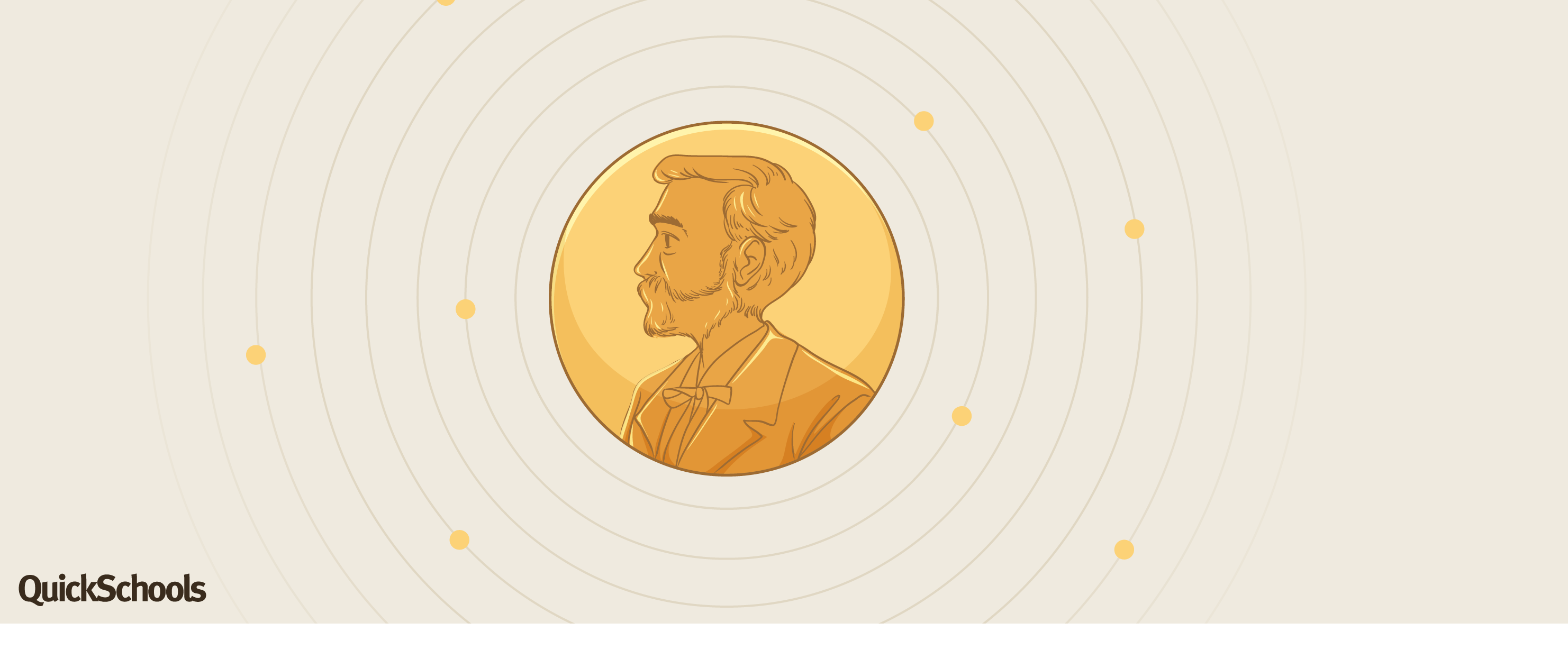
Did you know who created the Nobel Prize? His name was Alfred Nobel. His last will in 1895 stated that a bulk of his fortune would be given as prizes “in physics, chemistry, physiology or medicine, literature, and peace.” The people who would receive the prizes were those who “have conferred the greatest benefit to humankind.” In his lifetime, he made several contributions to science himself, including the invention of dynamite.
We continue our series of highlighting important nominees who may not have won but still had a Nobel Idea. We hope this series leading up to the Nobel Prize Ceremony held on December 3, 2023 will help provide insights for your students.
Our next hero nominee is pioneering physicist, Lise Meitner. Albert Einstein even called her the German Marie Curie.
Read More »
The Nobel Prize is a prestigious recognition of outstanding contributions to the world. However, only some of those who were nominated for this honor received the prize.
To highlight all the wonderful ideas that are still Nobel mentions, we will focus on one nominee every week. Even though they didn’t win, their idea is still a Noble one! In this series, we delve into the lives and work of some Nobel Prize nominees to uncover their fascinating stories and enduring legacies.
Our first unsung hero of science is British astrophysicist, Jocelyn Bell Burnell.
Read More »
For those embarking on their inaugural year as new teachers in an unfamiliar school setting, we offer a selection of articles tailored to your needs. From different teaching tips to help your students, to the use of technology and apps, and fun activities you can do in the classroom to celebrate different holidays. These resources are intended to alleviate any apprehension surrounding the commencement of the school year, particularly the first day.
Read More »
With the Fifa World Cup being hosted this year in Qatar, soccer aka football has been on a lot of people’s minds. It is one of the most famous men’s soccer tournaments in the world! If you are one of the soccer fans, perhaps you may want to add in the festive celebration for your students to enjoy.
It can be a time to teach your students about the World Cup, get students to find the love of the game, and of course, those that already love it will be excited to be a part of it! You may even score ‘Best Teacher’ for it!
There are many different subjects that can be taught with the FIFA World Cup theme, ranging from history, geography, art, science, English, and, don’t forget, physical education. Let’s take a look at some of the interesting activities we found!
Read More »