
Many children today grow up in a world where the internet is as natural as a playground. For some, the first swipe comes before the first notebook. Toddlers tap tablets before they can spell their own names, and primary school students search online long before they fully understand how information works. Parents naturally try to delay access, but curiosity, peer pressure, and the pervasive role of technology mean children enter digital spaces sooner than most adults expect. Even with restrictions at home, they often find ways to connect through friends, school, or shared devices. Plus, stricter rules often just make kids better at bending them. Equipping children with the knowledge to navigate digital spaces responsibly is more effective than limiting access, which is why digital citizenship in education is essential in today’s digital era.
What Digital Citizenship Really Means

Digital citizenship refers to the skills, knowledge, and values students need to use technology responsibly, ethically, and effectively. It is not just about avoiding risks online, but about helping students participate in digital spaces in thoughtful and constructive ways.
One of the most widely referenced models is the Nine Elements of Digital Citizenship, developed by researcher Dr. Mike Ribble, whose framework has been widely adopted in schools. These nine elements provide a comprehensive framework for understanding responsible participation in digital environments:
- Digital Access – ensuring equitable opportunities for students to participate in digital learning environments
- Digital Etiquette – treating others respectfully and practicing appropriate behavior online
- Digital Commerce – understanding responsible buying and selling in digital spaces
- Digital Rights and Responsibilities – recognizing the freedoms and obligations that come with participating online
- Digital Literacy – developing the ability to find, evaluate, and use information through digital technologies
- Digital Law – understanding legal and ethical guidelines such as copyright, plagiarism, and responsible technology use
- Digital Communication – engaging in effective and appropriate communication through digital platforms
- Digital Health and Wellness – maintaining a healthy balance between technology use and physical and mental well-being
- Digital Security – protecting personal data and taking steps to stay safe online
If Students are Growing Up Online, Who is Teaching Them How to Behave There?
Schools have always played a role in shaping responsible citizens. Respect for others, thoughtful decision-making, critical thinking, and active participation in society have long been part of the educational mission. Today, those same principles must extend into the digital world.
Students communicate, collaborate, and express themselves in online spaces just as often as they do in physical classrooms. They must learn that the behaviors they develop in these environments carry real consequences. As technology continues to shape how students learn and participate in society, the need for these skills will only continue to grow.
Digital Exposure Begins Early
If digital citizenship is becoming essential, it is largely because learning itself is no longer confined to the classroom. For today’s students, the learning experience does not end when the bell rings. Assignments are submitted through learning management systems. Group projects happen in shared documents. Classroom discussions continue in online forums, messaging platforms, and collaborative spaces. In many ways, the modern classroom now exists both physically and digitally.
This shift is reflected in students’ everyday access to technology. Research data from 2022 shows that digital connectivity is already the norm for most students:
- 96% of 15-year-olds in OECD countries have access to a computer or tablet at home
- 98% have access to a smartphone connected to the internet.
Digital exposure begins earlier than many people expect. According to research from Common Sense Media:
- Children under 2 spend about 1 hour per day on screens
- Children aged 2-4 spend about 2 hours per day
- Children aged 5-8 spend around 3.5 hours daily.
- Children aged 8-12 average 4-5 hours per day, and
- Teenagers spend nearly nine hours daily interacting with digital media
It only makes sense that we instill digital citizenship from the start, giving them the education they need to navigate these spaces safely.
The Opportunities and Risks
The growing presence of technology in education has opened the door to enormous opportunities. Students today have immediate access to vast libraries of information and learning resources, and they can also easily collaborate with their peers online. However, the same environment that enables these opportunities comes with risks that parents and educators cannot ignore. Research consistently highlights several risks young people face online, including:
- Cyberbullying, approximately 15% of students in the US have experienced or perpetrated cyberbullying in the past 30 days. Rates appear to have increased during the pandemic, likely due to students’ intensive use of technology.
- Privacy risks, including data tracking and oversharing of personal information.
- Online harassment or unwanted contact, especially in open or unmoderated digital spaces.
Why Schools Play an Important Role
Students are already learning how to behave online, but without structured guidance, digital behavior is often shaped by powerful influences such as:
- Algorithms that prioritize engagement over accuracy
- Online influencers who shape attitudes and behaviors
- Peer interactions that reinforce digital habits
These influences can shape online behavior long before educators or parents have the opportunity to intervene. Structured instruction in digital citizenship can make a real difference in how students understand and navigate online spaces. For example, a study evaluating Be Internet Awesome looked at 14 elementary schools in the U.S. Students who went through the program showed better understanding of digital safety concepts, increased confidence in handling online challenges, improved privacy habits, more positive online interactions, and a greater likelihood of asking parents for help when they encounter problems online.
The Core Skills Students Need
Kindness Travels Through Screens
Screens can make interactions feel less personal, and sometimes students say things online they would never say face-to-face. A simple guideline works wonders: if you wouldn’t say it in the classroom, don’t say it online. This helps students remember that digital communication affects real people.
Not Everything Online Is True
Students encounter mountains of information daily, but not all of it is reliable. Digital citizenship encourages critical thinking:
- Who created this information?
- What is the purpose of the message?
- Can it be verified through other credible sources?
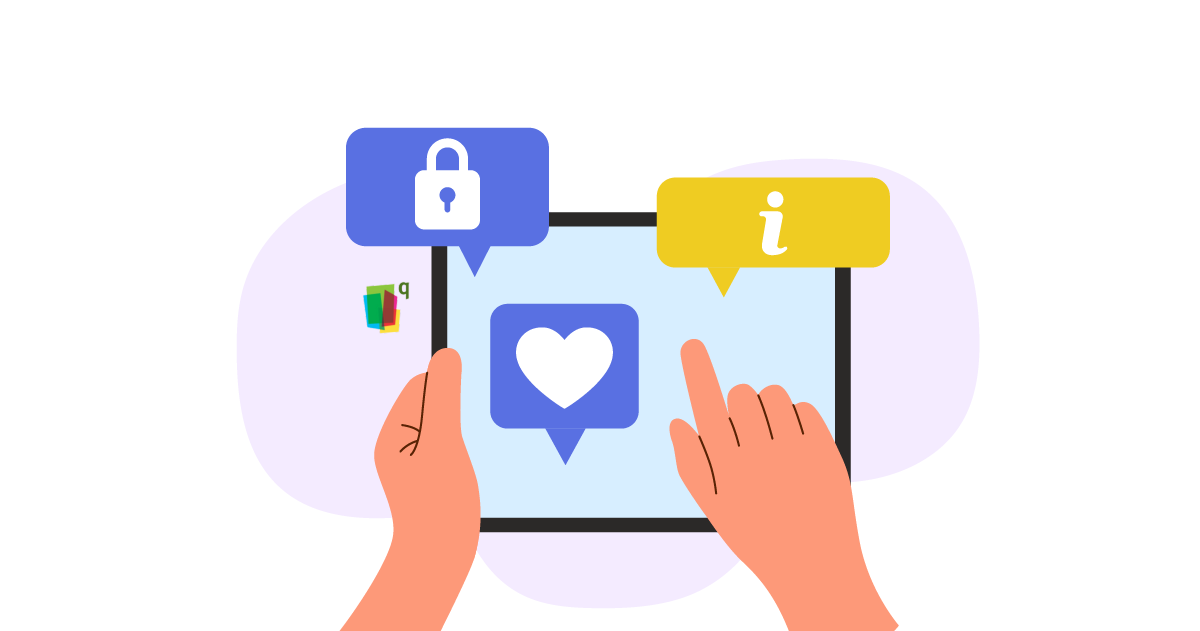
Privacy Is a Life Skill
Sharing online is natural, but oversharing has consequences. Students should learn:
- What personal info should stay private
- How passwords protect digital identity
Your Digital Footprint Matters
Another concept students often struggle with is permanence. Anything shared online can be copied, saved, and shared far beyond its intended audience. Even features like “Friends Only” or “Close Friends” on social media platforms can give a false sense of privacy. Students need to understand that what feels private today can resurface years later. Yes, even if you “delete” them.
For example, imagine a student venting online about a teacher, posts an offensive joke, or shares something insensitive about a peer. Ten years later, that post could reappear during a scholarship application, a job interview, or a college admission process. What seemed harmless or “private” at that moment can become a permanent part of someone’s digital record.
Teaching students to pause before posting and think about the long-term impact of their online actions is one of the most important digital citizenship skills they can carry into adulthood.
Education for the World Students Already Live In
As students spend more time online, schools and families share the responsibility of guiding them to use digital spaces safely and thoughtfully. Schools can provide structured guidance on digital citizenship while parents and caregivers reinforce these values at home. Conversations about online behavior, modeling thoughtful digital habits, and staying engaged with children’s digital experiences make the lessons students learn at school far more meaningful.
By working together, schools and families can help students develop the awareness, empathy, and critical thinking needed to navigate online environments responsibly. When students internalize these habits early, they carry them into adulthood and are equipped to participate in the digital world safely, ethically, and confidently.