
For many schools, spreadsheets are where student record-keeping begins. They’re familiar and easy to start with. Until your school starts to grow. Responsibilities expand, more people need access to information, and student records are just living in too many places. And just like that, spreadsheets often become less a solution and more like a workaround. What once felt simple can turn into duplicated effort, inconsistent records, and hours lost tracking down information. If that sounds even a little familiar, you’re probably not imagining it. Here are seven signs your school may have outgrown spreadsheets for managing student records.
- 1. You’re Entering the Same Data in Multiple Places
- 2. Staff Can’t Easily Access the Information They Need
- 3. Student Histories Are Hard to Track Across School Years
- 4. Reporting Takes Too Long
- 5. You’ve Built “Extra Systems” Just to Make It Work
- 6. Training New Staff and Standardizing Processes Becomes a Challenge
- 7. Growth Is Making the System Unsustainable
- Need to Upgrade Your Student Records?
1. You’re Entering the Same Data in Multiple Places
If a student changes an address, updates an emergency contact, or transfers sections, how many places need to be updated? One spreadsheet? A second one for admin? Maybe another one for billing? And then you pause and think… did I update that everywhere?
This is one of the earliest signs that a spreadsheet process is straining. Staff spend time retyping the same information across files, tabs, or separate tools, and every extra touchpoint increases the risk of errors. A student record system centralizes information so data is entered once and updated everywhere it needs to appear.
2. Staff Can’t Easily Access the Information They Need
When student data is scattered across files, folders, and departments, finding information can become an exercise in detective work. Someone has the right spreadsheet… but who has the latest version? Version confusion, siloed records, and “Can you send me that file?” are signs your process may be slowing everyone down. Multiply that across a day, a week, a whole team, and that’s a lot of time lost just trying to find things.
With a centralized student information system, teachers, administrators, and families can access the right information from one shared source. Platforms like QuickSchools are designed around this kind of centralized access. Instead of information scattered across the front office, teachers, and separate files, student data can live in a single interactive database that integrates with schedules, grades, attendance, billing, and more.
3. Student Histories Are Hard to Track Across School Years
Student records should tell a story over time, but spreadsheets often make historical continuity difficult. Past grades may sit in archived files, notes may live in email threads, and attendance patterns may be buried in old records. A digital student record system helps preserve academic history, attendance records, discipline notes, and other important context within a single interactive record.
Graduation season makes this even more visible
This challenge often becomes especially clear during graduation season. Now you need to:
- Verify credits
- Check past grades
- Confirm test scores
- Pull transcripts
All at once and usually on a deadline. What should be a straightforward process can turn into searching across archived spreadsheets, old files, and disconnected systems. A student record system makes it easier to retrieve the information needed for graduation prep, transcripts, student transfers, and long-term academic planning.
For schools tracking testing or graduation-related data, tools like the Test Scores / Certificates app can help keep those records organized alongside the broader student record.

4. Reporting Takes Too Long
Need attendance summaries? Academic reports? Student lists for compliance? Custom records for leadership review? If reporting means manually filtering spreadsheets, copying data into new sheets, or building reports from scratch, your system may be costing more time than you realize. Sure, it gets the job done, but how much quicker would it be with a reliable student management system? A modern student record system makes it easier to generate consistent reports using live data, rather than reconstructing information manually.
The same problem shows up before a new school year begins
The same issue tends to show up right before a new school year begins. Instead of starting fresh, many schools spend the summer reviewing and fixing student records. It’s not complex work, but it’s time-consuming. What should be a quick readiness check turns into a longer process of verifying, cross-referencing, and making sure everything lines up. A stronger student record system keeps records updated throughout the year, so back-to-school prep does not turn into a full cleanup exercise.
5. You’ve Built “Extra Systems” Just to Make It Work
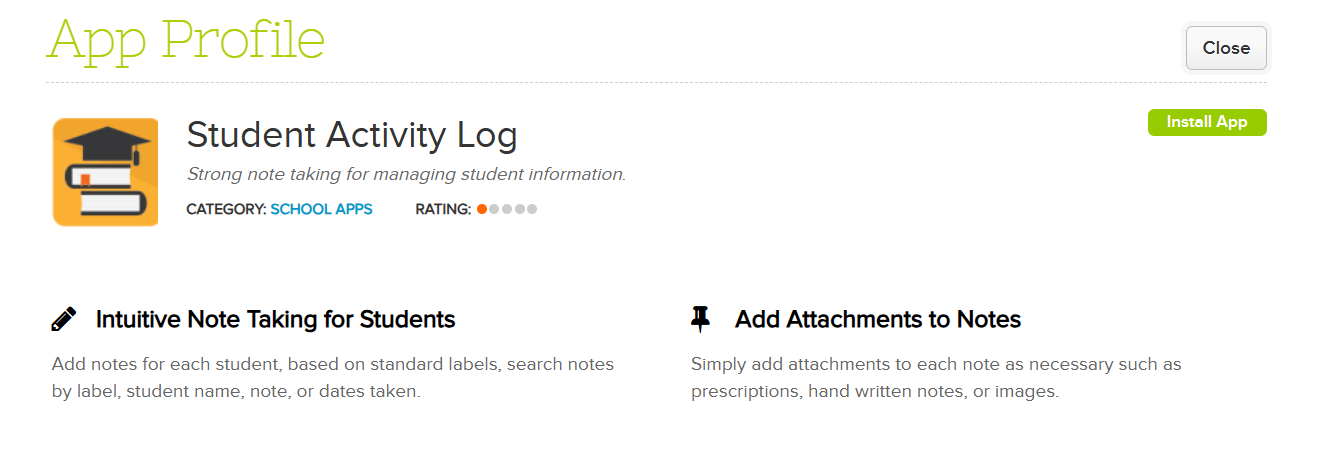
This one’s easy to spot. When your system needs support systems, that’s usually a sign it’s outgrown its role. Student records should support more than contact information. For example, some schools extend their recordkeeping with tools like the Student Activity Log app for stronger note-taking or Fileroom for document storage. The goal is not more disconnected tools, but a more complete record.

Why teachers often struggle with record prep
For teachers, recordkeeping can feel difficult because it’s tedious. Instead of using records to support students, time gets spent just organizing and preparing them. Centralized tools can reduce repetitive prep work and help teachers spend less time managing records and more time supporting students.
6. Training New Staff and Standardizing Processes Becomes a Challenge

Spreadsheets usually make perfect sense to the people who created them. Everyone else, not so much. When new staff come in, they’re not just learning their role. They’re also trying to figure out how your school manages information behind the scenes. Which file matters, which tab to update, what not to touch. Most of this isn’t documented anywhere. It’s just something people pick up over time. That slows onboarding down more than it should, and it increases the chances of mistakes early on.
At the same time, as your school grows, there’s usually a push to standardize processes. You want consistency across departments (same way of tracking data, structure, and expectations). But spreadsheets don’t really support that well. Different teachers may use slightly different formats. Over time, small inconsistencies start adding up and make it harder to get a clear, unified view of what’s happening across the school. Reporting takes more effort, coordination becomes less straightforward, and admin teams spend extra time reconciling information instead of using it.
A proper student record system removes that dependency on individual habits. It gives everyone a shared structure to work within, so processes stay consistent and easier to manage as the school grows.
7. Growth Is Making the System Unsustainable
Maybe your current setup worked before. When the school was smaller with fewer students and fewer moving parts. But growth changes things. What once felt manageable may now depend on heroic effort from a few people who “know how everything works.” That’s not scalability. That’s institutional memory held together by stress. When growth increases complexity faster than your processes can handle, it may be time to move beyond spreadsheets.
With QuickSchools, for example, teachers can submit grades, homework, attendance, discipline, and achievements into the same electronic file so records stay current. Administrators can manage billing, schedules, and medical information. Parents can monitor grades and even update basic information through the parent portal.
Everything stays connected and up to date, without the extra work behind the scenes.
Need to Upgrade Your Student Records?
Spreadsheets don’t break overnight. They just get harder to live with. If your current system is making simple things feel harder than they should be, it’s probably not the right system anymore. And that’s okay. Most schools reach that point; it just means you’ve grown. And that’s something worth seeing as a win.