
There’s a certain kind of brilliance that doesn’t arrive with trumpets or headlines. For generations, discovery has often been framed as a dramatic act, a “eureka!” moment. But it could also be meticulous and incremental, like staying open to anomalies, questions, and the strange details others ignore. Many of the women who changed what we know did so by following those details to their logical and world-altering conclusions. They often worked without recognition or enough resources. Yet, they permanently changed the shape of modern science, medicine, and culture. This is how women in discovery changed the world, and we hope these stories will inspire you.
- The Women Who Changed What We Know
- The Women Who Carried Discovery Into the Light
- Dorothy Crowfoot Hodgkin — The Crystallographer Who Saw Molecules Clearly
- Barbara McClintock — The Geneticist Who Found Jumping Genes
- Tu Youyou — The Pharmacologist Who Found a Cure Hidden in History
- Toni Morrison — The Writer Who Expanded the Boundaries of Storytelling
- Carolyn Bertozzi — The Chemist Inventing Reactions That Work Inside the Body
- More Women in Discovery Who Changed The World
- The Heart of Discovery
The Women Who Changed What We Know
Nettie Maria Stevens — The Scientist Who Found the X and Y Chromosomes
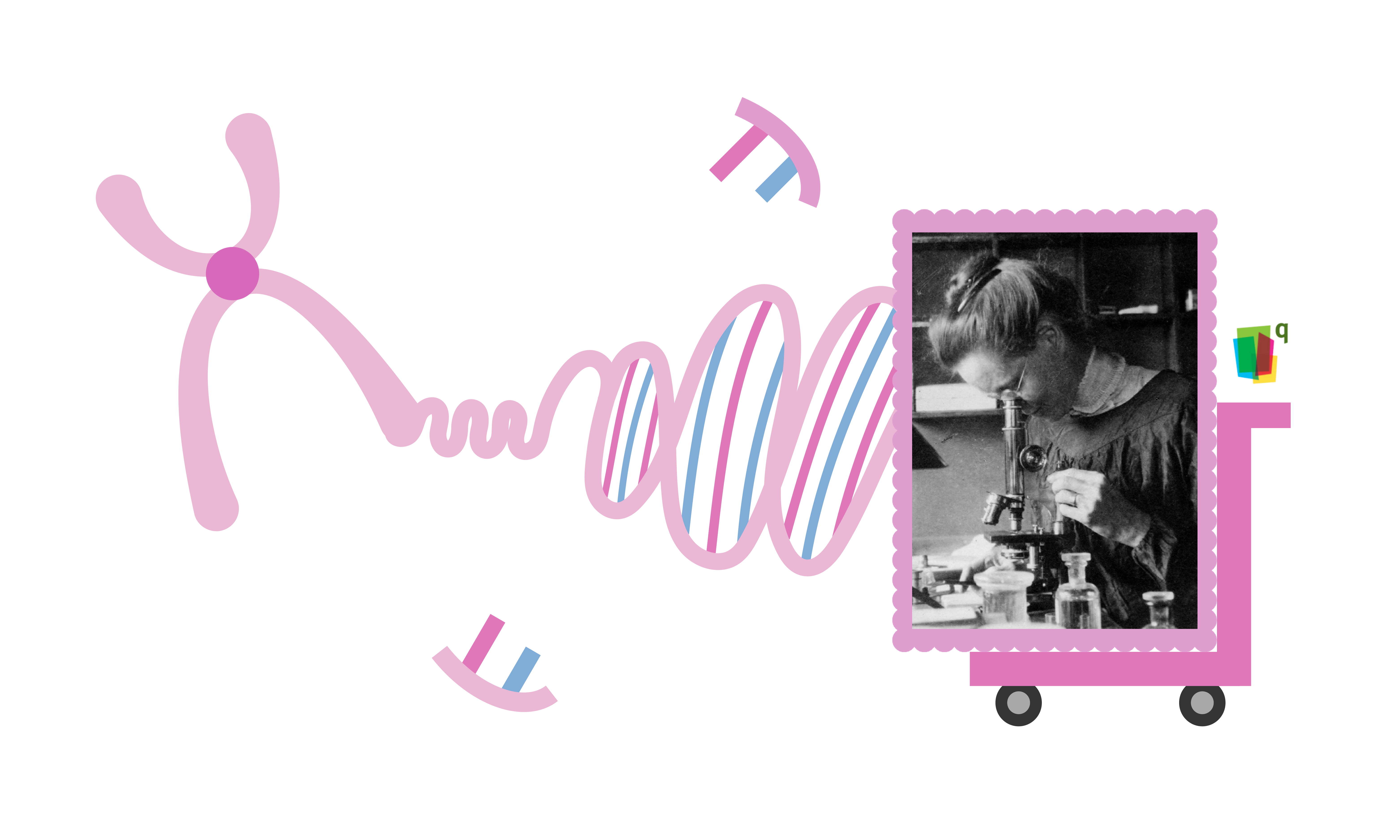
In the early 1900s, the question of how sex was determined in animals was hotly debated. Stevens studied the reproductive cells of mealworms and noticed a pattern: male mealworms produced two types of sperm, one carrying a small chromosome (later named Y) and one carrying a larger chromosome (X). Female mealworms produced only X-bearing eggs. This simple, consistent system predicted the sex of offspring perfectly.
Her findings were revolutionary. They established that heredity is chromosomal, not environmental, laying the foundation for modern genetics. Despite the clarity and significance of her work, this discovery was announced independently by her supervisor, E. B. Wilson.
Stevens’ legacy isn’t just the discovery itself but the rigor and insight she brought to a question that had long puzzled scientists, opening the door to every genetic breakthrough that followed.
Sylvia Earle — The Oceanographer Who Made the Deep Sea Legible
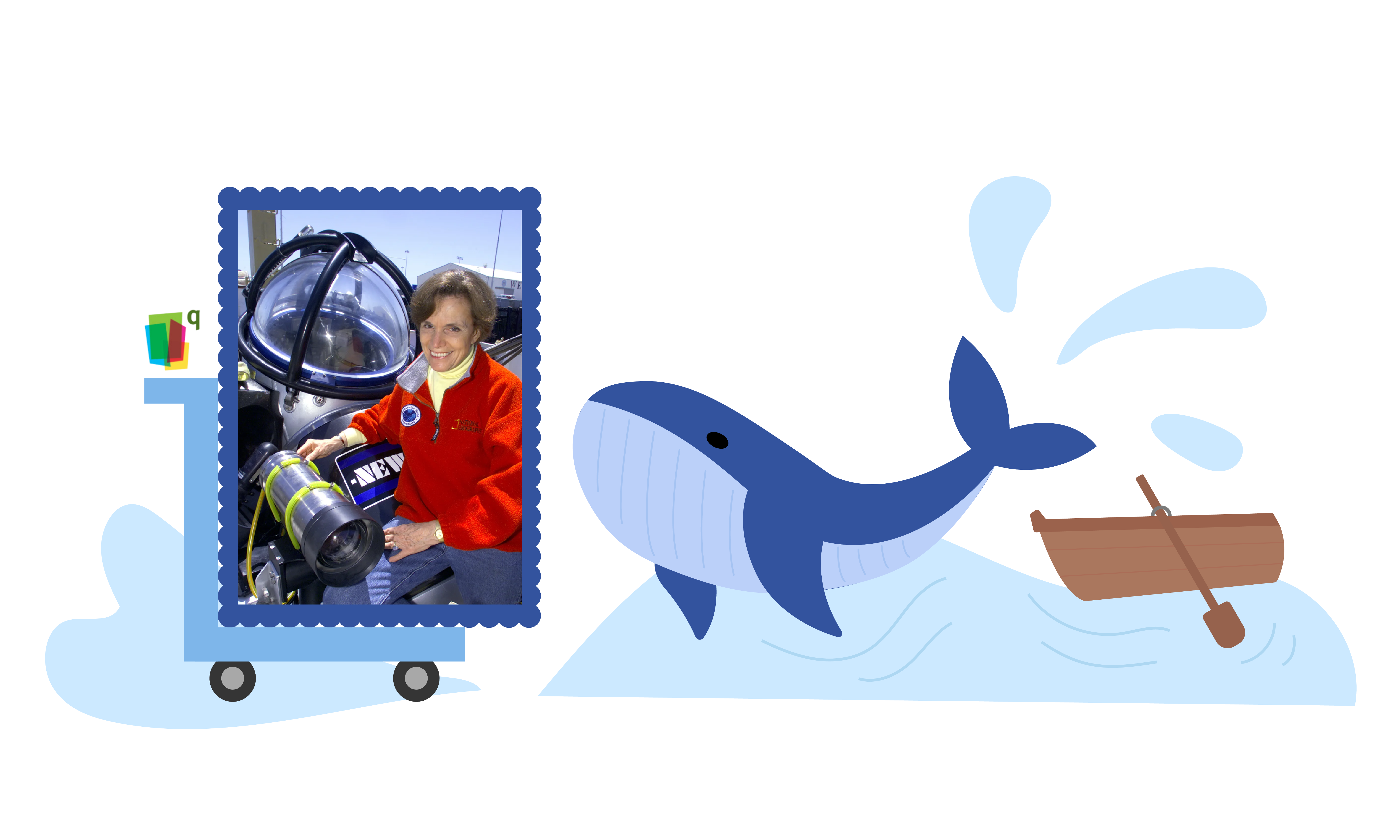
In the 1960s and 70s, Earle led some of the earliest deep-sea expeditions by a woman, eventually setting a world record for the deepest untethered dive. Her observations helped scientists understand the complexity of deep-ocean ecosystems, many of which regulate climate cycles and carbon storage.
Earle founded Mission Blue in 2009, which helped spark the concept of marine protected Hope Spots, which are critical ocean areas preserved for biodiversity. Without her advocacy, many of these ecosystems might remain unknown or unprotected. Her contribution reminds us that exploration is also a form of data collection, as you cannot protect what you cannot see.
The Women Who Carried Discovery Into the Light
Dorothy Crowfoot Hodgkin — The Crystallographer Who Saw Molecules Clearly

Using X-ray crystallography, Hodgkin revealed the detailed structures of penicillin, vitamin B₁₂, and later, insulin. Each achievement required years of persistence because the technology of the time was rudimentary and the calculations were done by hand.
The work earned her international recognition: she was elected in 1960 as the first Wolfson Research Professor of the Royal Society, a position she held while remaining at Oxford, and in 1964 she won the Nobel Prize in Chemistry for her work on penicillin and vitamin B₁₂.
Hodgkin’s Nobel Prize recognized her scientific achievements. Still, her lasting legacy is her ability to make the invisible visible, turning molecular mysteries into precise, usable knowledge that continues to guide chemists, biologists, and medical researchers today.
Barbara McClintock — The Geneticist Who Found Jumping Genes
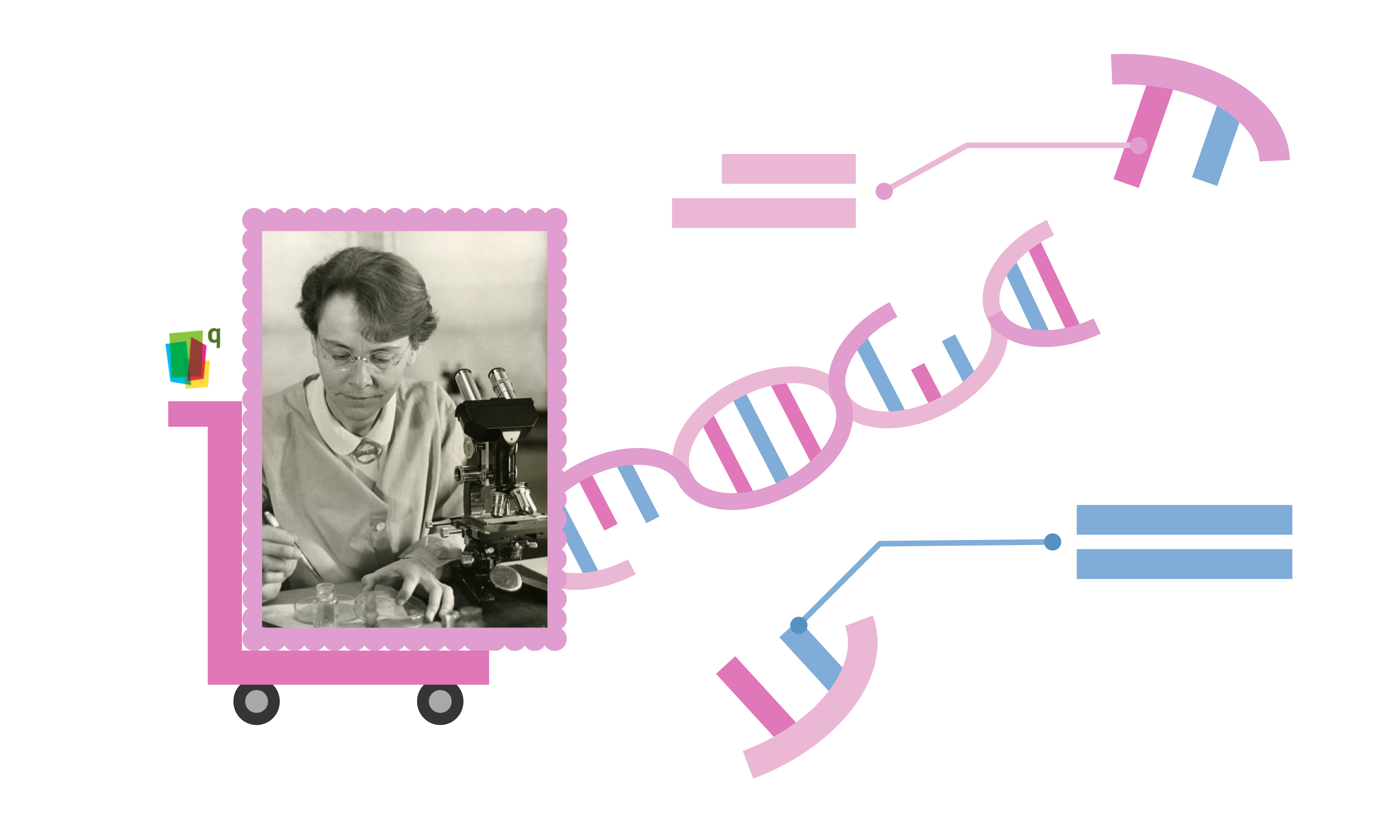
In the 1940s, McClintock studied the cytogenetics of maize and noticed something odd. Patterns of kernel color didn’t follow Mendelian rules of inheritance. Instead of dismissing the anomalies, she chased them.
She discovered transposable elements, or “jumping genes”, segments of DNA that could move from one location in the genome to another, turning nearby genes on or off. At the time, this idea was so radical that many of her peers doubted it. In the face of such resistance, McClintock stopped trying to convince others, but she never stopped pursuing her theories.
McClintock’s perseverance was eventually recognized, and she received the 1983 Nobel Prize in Physiology or Medicine. Barbara McClintock’s story is a powerful reminder that discovery often requires seeing what others overlook and trusting evidence that doesn’t fit prevailing assumptions. Her work exemplifies the quiet persistence and visionary thinking that define women in discovery.
Tu Youyou — The Pharmacologist Who Found a Cure Hidden in History
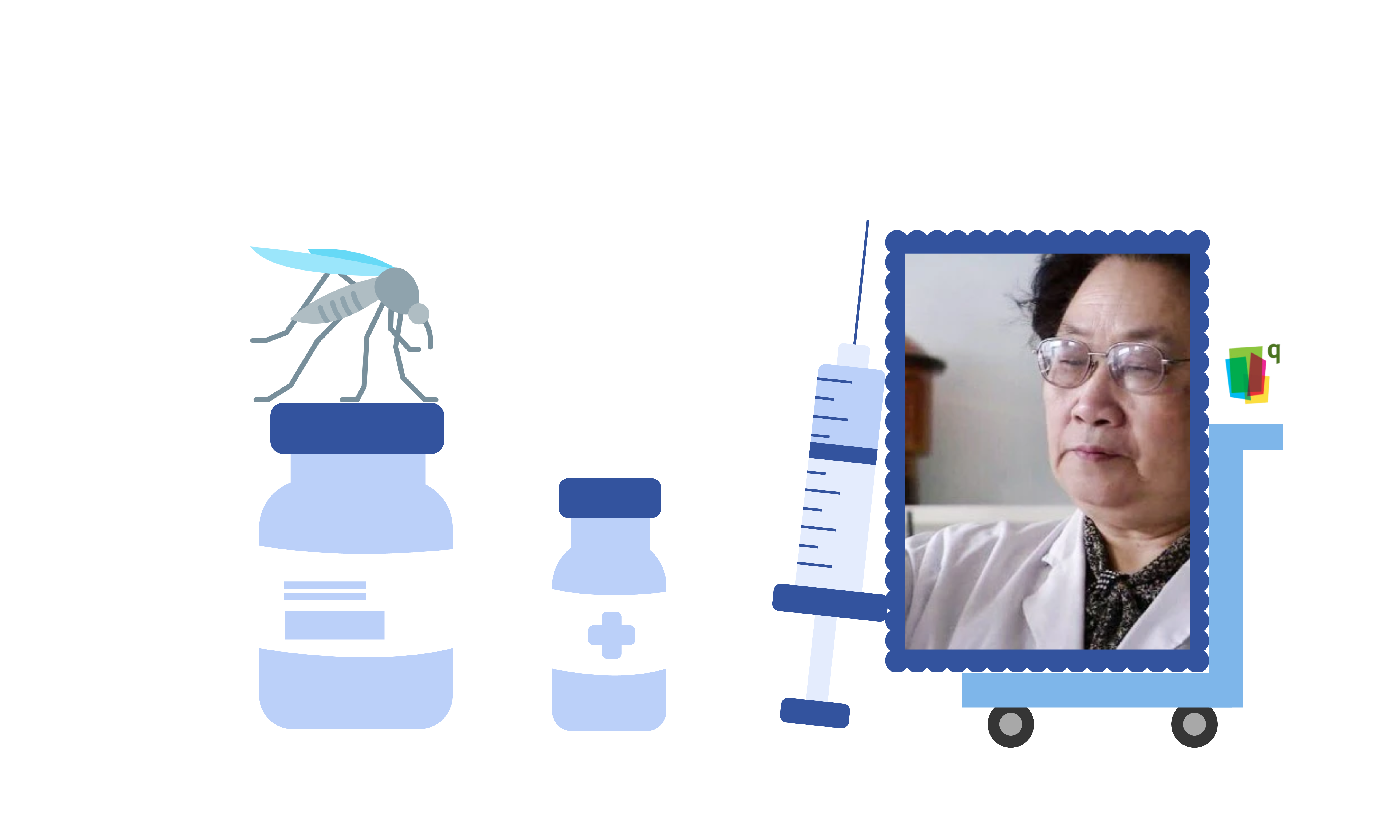
In the 1960s and 70s, malaria was a global killer, resistant to most existing treatments. Tu Youyou faced the daunting challenge of finding an effective drug with minimal resources
Tu took an unconventional approach and turned to ancient medical texts. She found a reference to extracting sweet wormwood (Artemisia annua) without heating it, a detail others had missed. That method preserved the active compound: artemisinin.
The discovery would go on to save millions of lives worldwide and remains a cornerstone of modern malaria treatment. Her achievements were recognized with the Nobel Prize in Physiology or Medicine in 2015, making her the first Chinese woman to receive a Nobel in the sciences.
Toni Morrison — The Writer Who Expanded the Boundaries of Storytelling

Toni Morrison’s contribution to discovery is literary, but no less profound than a scientific breakthrough. Through her novels, she explored the histories, memories, and interior lives of Black Americans, especially Black women, in ways that had never been rendered with such depth, clarity, and nuance.
In 1993, Morrison was awarded the Nobel Prize in Literature, recognized not for a single book, but for her entire body of work and her ability to illuminate essential aspects of reality through the lens of imagination and storytelling.
If you’re new to her works or haven’t explored them yet, here are some of her notable novels that showcase her brilliance:
- The Bluest Eye (1970) – Morrison’s first novel, examining race, beauty, and societal pressures through the eyes of a young girl.
- Sula (1973) – The story of friendship, morality, and community in a small Black neighborhood.
- Song of Solomon (1977) – A story of identity, family, and the search for roots in African-American life.
- Beloved (1987) – A haunting exploration of slavery, memory, and mother-daughter bonds.
Carolyn Bertozzi — The Chemist Inventing Reactions That Work Inside the Body
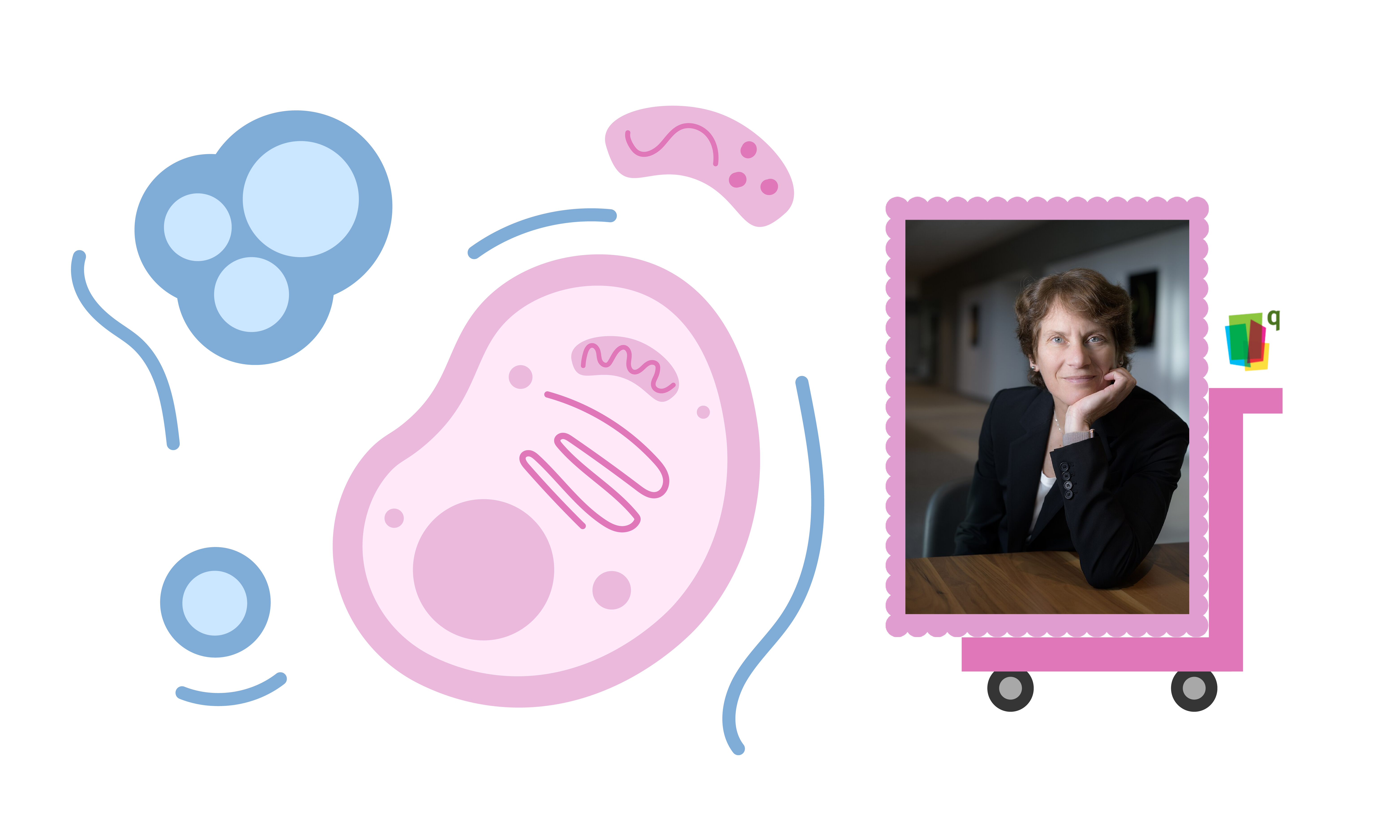
Carolyn Bertozzi’s work sits at the intersection of chemistry and medicine, transforming the way scientists study and treat disease. She pioneered bioorthogonal chemistry, a method of performing chemical reactions inside living organisms without disrupting normal biological processes.
This may sound technical, but the implications are enormous. Traditionally, chemists could only manipulate molecules in test tubes or artificial systems. Bertozzi’s methods allow researchers to tag, track, and modify molecules directly inside cells and tissues, creating safer and more precise ways to study biology and deliver therapies.
Bertozzi’s work earned her the 2022 Nobel Prize in Chemistry, recognizing not just a single discovery, but the creation of a new field that bridges chemistry and biology in profound ways.
More Women in Discovery Who Changed The World
Ada Lovelace — The Computer Visionary

In the 1840s, Ada Lovelace wrote the first computer algorithm and imagined machines capable of more than calculation, foreseeing modern computing. Though she received no awards in her lifetime, she is now celebrated posthumously as the “first programmer,” and Ada Lovelace Day honors her legacy.
Vera Rubin — The Astronomer Who Saw the Universe Was Missing 85% of Its Mass

Rubin’s meticulous observations of galactic rotation in the 1970s revealed that stars at the edges of galaxies were moving too quickly to be held together by visible matter alone. Her data provided some of the first compelling evidence for dark matter, a mysterious substance that makes up about 85% of the universe’s mass. Despite her groundbreaking work, she faced skepticism and bias in a male-dominated field, yet she persisted. While she never received a Nobel Prize, she was awarded the National Medal of Science and numerous other honors in recognition of her groundbreaking work.
Rita Levi-Montalcini — The Nerve Growth Pioneer
During World War II, Levi-Montalcini set up a tiny laboratory in her bedroom because she was barred from formal research institutions. There, she discovered nerve growth factor (NGF), a protein critical for the development of neurons. Her work laid the foundation for neurobiology and regenerative medicine, earning her a Nobel Prize in Physiology or Medicine in 1986.
The Heart of Discovery
What connects these women is not ambition alone, but attention. The patience to follow a question, notice patterns, and explore details others might overlook. They were also often visionaries ahead of their time, having their discoveries shape how we now understand the world.
The future of knowledge isn’t about being the loudest, but curiosity and the steady work of understanding. Their examples offer a simple but powerful lesson: you don’t need a spotlight to make a difference. Recognition may come late, or not at all, but the work itself leaves a mark that outlasts any award. These intelligent women focused on the work itself, and in doing so, they built the path forward. And that, truly, is a Nobel idea.
