
Fall brings crisp air, golden leaves, and a renewed sense of energy in the classroom. Beyond pumpkins and crafts, autumn is the perfect season for teachers to weave creativity, social-emotional learning, and digital innovation into lessons that resonate with students. So, what are the best fall classroom activities to inspire creativity and connection? Whether you’re teaching young learners or high schoolers, here are seven fresh fall classroom activity ideas designed to spark imagination, strengthen relationships, and keep students engaged as the school year unfolds.
- 1. Tech-Infused Fall Activities
- 2. How Can Social-Emotional Learning Be Taught in the Fall
- 3. Creative Arts Beyond Leaf Crafts
- 4. Fall-Themed Classroom Management & Organization
- 5. Service Learning with a Seasonal Twist
- 6. Fall Career & Future Connections
- 7. Integrating Fall Across Subjects
- Wrapping Up the Autumn Season
1. Tech-Infused Fall Activities
Fall is the perfect time to bring technology into seasonal lessons. With the right activities, students can explore autumn themes in engaging, creative, and enjoyable ways.
Virtual Fall Field Trips
Imagine your students “visiting” a pumpkin farm, apple orchard, or even a national park at the height of fall colors, all without leaving the classroom. Virtual field trips allow students to explore fall landscapes and traditions through livestreams and pre-recorded interactive tours. To deepen the learning, follow up with reflection journals, digital presentations, or even class discussions about what they discovered.
Creative Digital Storytelling with Fall Themes
Give your students a new way to explore storytelling this season by combining digital prompts with multimedia expression. Start with an online random generator to create unique fall-themed writing starters. For instance, students might roll a combination such as setting: pumpkin patch, character: mouse, and problem: lost in a corn maze. The unpredictability of the prompts keeps the activity lighthearted and sparks imaginative thinking.
Once the stories are written, teachers can even take the project a step further by transforming them into audio or video podcasts. Using simple video editing tools, students can record their stories. This not only builds their digital media skills but also helps them practice confident public speaking, clear narration, and basic editing techniques. This activity gives students ownership of their stories while weaving together writing, performance, and digital literacy, all with a festive autumn twist.
Data-Driven Photo Analysis
Invite students to capture the changing season through photography. Then, guide them to upload their autumn photos into a shared digital folder. Using a collaborative spreadsheet, they can tag each photo with descriptive categories. For example: dominant color, textures, mood, or even themes. Once tagged, students can sort and graph the data to uncover patterns, like which colors dominate the season or what themes classmates captured most often. This activity combines photography, digital literacy, and basic statistics. This helps students understand how creative work can also be analyzed in meaningful, data-driven ways.

2. How Can Social-Emotional Learning Be Taught in the Fall
Fall naturally invites gathering, reflection, and gratitude, making it a wonderful time to focus on social-emotional learning (SEL) and strengthening classroom bonds. With the right activities, students can practice empathy, mindfulness, and teamwork in ways that feel festive and meaningful.
Classroom “Harvest of Kindness” Wall
Designate a bulletin board where students can post sticky notes or cards acknowledging acts of kindness they’ve observed among peers. Like someone sharing supplies, offering encouragement, or helping clean up. By Thanksgiving, the wall will be full of “harvested” kindness, a visual reminder of the supportive community they’ve built together.
Mindful Walks
Take students outside for short, reflective walks to observe the changing season. Encourage them to notice sensory details like the crunch of leaves, the crispness of the air, or the colors of trees. Afterward, they can record their observations in journals, sketch what they saw, or share aloud in a circle. This practice cultivates mindfulness, self-awareness, and calm while connecting students to the rhythm of the season.
Seasonal Reflection Prompts
Use autumn metaphors to inspire deeper reflection: What’s something you’re ready to let go of, like a leaf falling from a tree? What’s something you’re “harvesting” from your hard work this season? These prompts spark thoughtful journaling and class discussion, encouraging students to connect seasonal cycles with personal growth.
Mindful Autumn Essays
High school students can engage with social-emotional learning at a deeper, more reflective level through writing. Invite them to draft essays or personal narratives on autumn themes such as change, resilience, or gratitude, connecting these seasonal metaphors to their own lives. For example, they might reflect on a personal “season of change” or describe lessons learned during a time of letting go, much like the falling leaves. Sharing excerpts aloud (if comfortable) builds empathy within the classroom community while also strengthening writing and critical thinking skills. This merges SEL practices with English standards in a way that feels authentic for older learners.
3. Creative Arts Beyond Leaf Crafts

Art often shines during the fall season, but there’s so much more to explore than the classic leaf rubbings or pumpkin drawings. By leaning into the sensory richness of autumn, you can help students stretch their creativity into new forms of expression that connect visual art, storytelling, and even music.
Shadow Art with Fall Sunlight
Autumn’s lower-angled sunlight casts long, dramatic shadows that are perfect for creative exploration. Take students outside to trace the outlines of seasonal objects like pumpkins, branches, or even their classmates’ silhouettes. Back inside, they can transform these shadow tracings into imaginative artworks. This activity builds observational skills, introduces concepts of light and perspective, and encourages students to see ordinary shapes in extraordinary ways.
Music Activities: Creating Soundscapes that Mimic Fall Weather
Bring fall to life through sound by having students create their own seasonal soundscapes. Using instruments, classroom objects, or digital tools, they can mimic the rustle of leaves, the snap of a fire, or the whistle of a chilly breeze. Layering these sounds together teaches students about rhythm, texture, and mood in music while inviting them to translate sensory experiences into artistic expression. For added fun, pair the soundscapes with their shadow art or comics to create a multimedia fall showcase.
Storyboarding Fall-Themed Comics or Short Stories
For students who thrive on narrative, encourage them to storyboard a comic or draft a short story. They might start with a humorous premise, like a mischievous scarecrow that suddenly comes to life and begins stealing pumpkins. From there, the plot can branch in different directions depending on their creativity. Perhaps the scarecrow has a Grinch-like change of heart, maybe it turns into a mystery about who’s really behind the missing pumpkins; the possibilities are endless.
This open-ended approach invites students to shape their own unique plots, exploring character motivation, conflict, and resolution. Some may choose humor, others suspense, or a heartwarming ending, all while practicing key storytelling skills and creative expression.
Short Film Projects
For high schoolers, consider expanding fall storytelling into the world of film. Students can work in small groups to storyboard, film, and edit short autumn-themed films. These might range from mysteries set in a corn maze to slice-of-life documentaries about fall traditions in their community. Along the way, they’ll practice scriptwriting, cinematography, and digital editing, while also developing teamwork and project management skills. Hosting a mini “Fall Film Festival” school-wide, where younger students can also watch these projects, gives them an authentic audience.
4. Fall-Themed Classroom Management & Organization
As the semester gets busier and the holidays approach, fall is an excellent time to refresh classroom organization and routines with thematic flair.
Seasonal Bulletin Boards as Progress Trackers
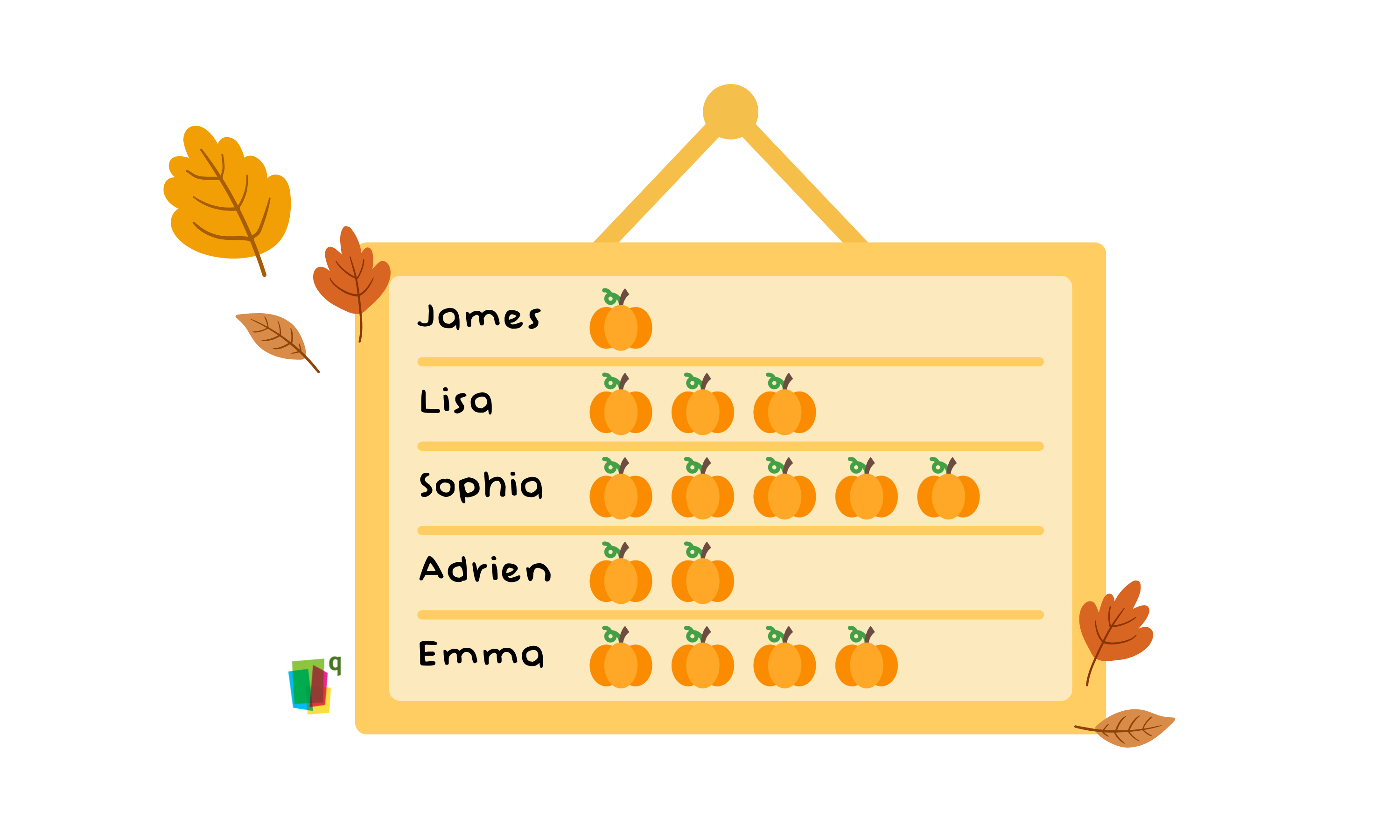
Swap out generic charts for fall-themed visual trackers that celebrate student progress. Imagine a pumpkin patch where each pumpkin shows a student’s reading goals or a tree that blossoms with colorful leaves each time milestones are achieved. Beyond motivation, they also make the environment feel warm, festive, and connected to the season.
Gamifying Attendance with a “Harvest Points” System
Daily routines like attendance and participation don’t have to be mundane. Turn them into a harvest-themed game by awarding “points” for punctual arrivals, helpful teamwork, or active contributions. Students can collect and track their points throughout the season, then “cash in” for privileges such as leading a class warm-up, earning extra reading time, or choosing a fun group activity.
Digital Organization for Teachers Before the Holidays
Take advantage of this natural reset by setting up digital gradebooks, organizing project folders, or cleaning up communication channels with families. By investing in a bit of digital organization now, you’ll reduce stress when schedules tighten in November and December.
Peer-Led Fall Workshops
As older students gear up for midterms, encourage them to take ownership of organization and study skills by leading peer workshops. Framed as “harvesting good habits before the holidays,” small groups can design and present quick lessons on topics like digital note-taking tools, time management strategies, or test-prep hacks. Not only does this reinforce executive functioning skills, but it also empowers students to practice leadership and public speaking while supporting their classmates. Teachers can even tie in incentives or fall-themed rewards to keep participation lively.
5. Service Learning with a Seasonal Twist
Community “Harvest Help” Drives
Students can collect canned goods, warm clothing, or school supplies, framing the project as a “harvest of generosity.” Invite them to decorate collection boxes with pumpkins and leaves to add a festive touch. This approach not only supports the community but also helps students see how collective effort can make a tangible difference.
Environmental Clean-Up Walks
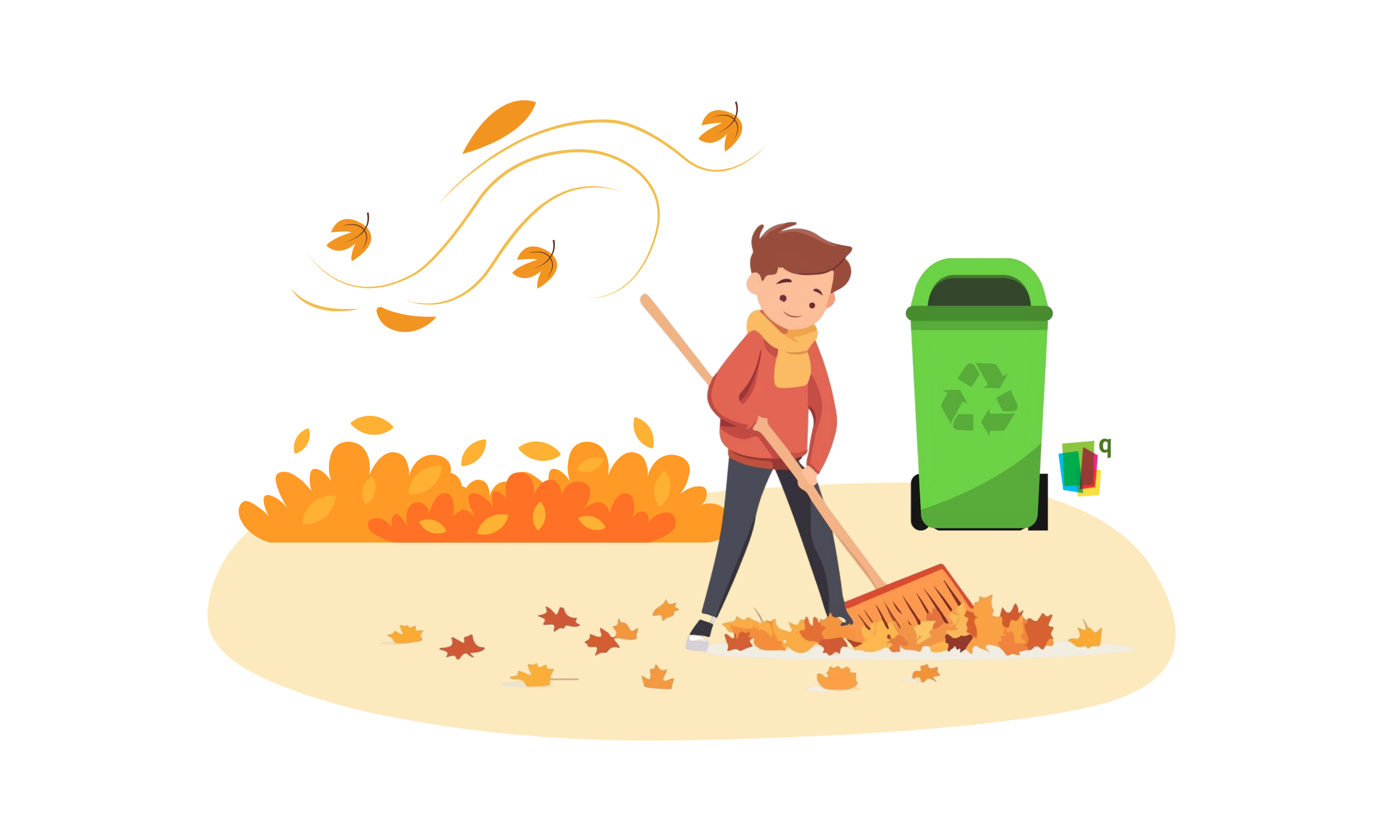
Autumn’s changing landscape makes a natural backdrop for teaching stewardship. Organize a neighborhood or schoolyard clean-up where students gather fallen leaves, pick up litter, or learn how to separate compostables from recyclables. The activity connects environmental science concepts to real-world practice, while giving students a sense of pride in caring for their local spaces.
Bridging Generations
Invite students to share the spirit of the season across generations by partnering with local retirement communities. They can create fall-themed cards, artwork, or written stories with residents, bringing joy and connection to those who may feel isolated. For students, it’s a powerful reminder of the value of empathy, storytelling, and building bridges within their community.
Community Research & Advocacy
Service learning for high schoolers can go beyond simple acts of giving to thoughtful advocacy. Challenge students to investigate a local issue connected to the season, such as food insecurity during the holidays, heating costs for vulnerable families, or environmental concerns like leaf disposal and recycling. After conducting interviews, reading articles, or analyzing data, they can present their findings through presentations or infographics. This approach connects seasonal service to civic responsibility and helps students see themselves as active contributors to their community.
6. Fall Career & Future Connections
One often-overlooked way to make fall learning meaningful is by connecting the season to career exploration. Students may love pumpkins and crisp leaves, but what really captures their attention is seeing how those seasonal themes link to real jobs, skills, and future possibilities. These activities show students the “why” behind their learning while helping them imagine themselves in different career paths.
Exploring Seasonal Careers
Encourage students to research professions that come into focus during autumn. Farmers harvesting crops, meteorologists tracking shifting weather, chefs creating seasonal menus, event planners organizing fall festivals, or environmental scientists studying migration and ecosystems. By discussing how these professionals adapt to the rhythms of the season, students begin to understand how knowledge and skills translate into real-world problem-solving.
Seasonal Economics Project
Help high school students link autumn to real-world business and economics. Students can research how industries adapt to seasonal shifts. For example, how farmers adjust to harvest cycles, restaurants designing fall menus, or tourism businesses capitalizing on foliage and festivals. They might create infographics showing sales trends, draft seasonal marketing pitches, or present case studies on local businesses. This activity not only connects directly to career exploration but also shows students how the concepts they’re learning in economics, business, or math are reflected in their own community.
7. Integrating Fall Across Subjects
Fall doesn’t have to live only in art projects or classroom décor. With a little creativity, seasonal themes can weave seamlessly into core academic subjects, making lessons both relevant and memorable. By grounding abstract concepts in pumpkins, leaves, or autumn stories, you create learning experiences that stick.
STEM Explorations in the Fall
- Pumpkin Catapults (Physics & Engineering)
Challenge students to build mini catapults out of popsicle sticks, rubber bands, and spoons, then launch candy pumpkins or acorns. They can test angles, measure distances, and record data to learn about force, trajectory, and energy transfer. - Apple Oxidation Experiment (Chemistry)
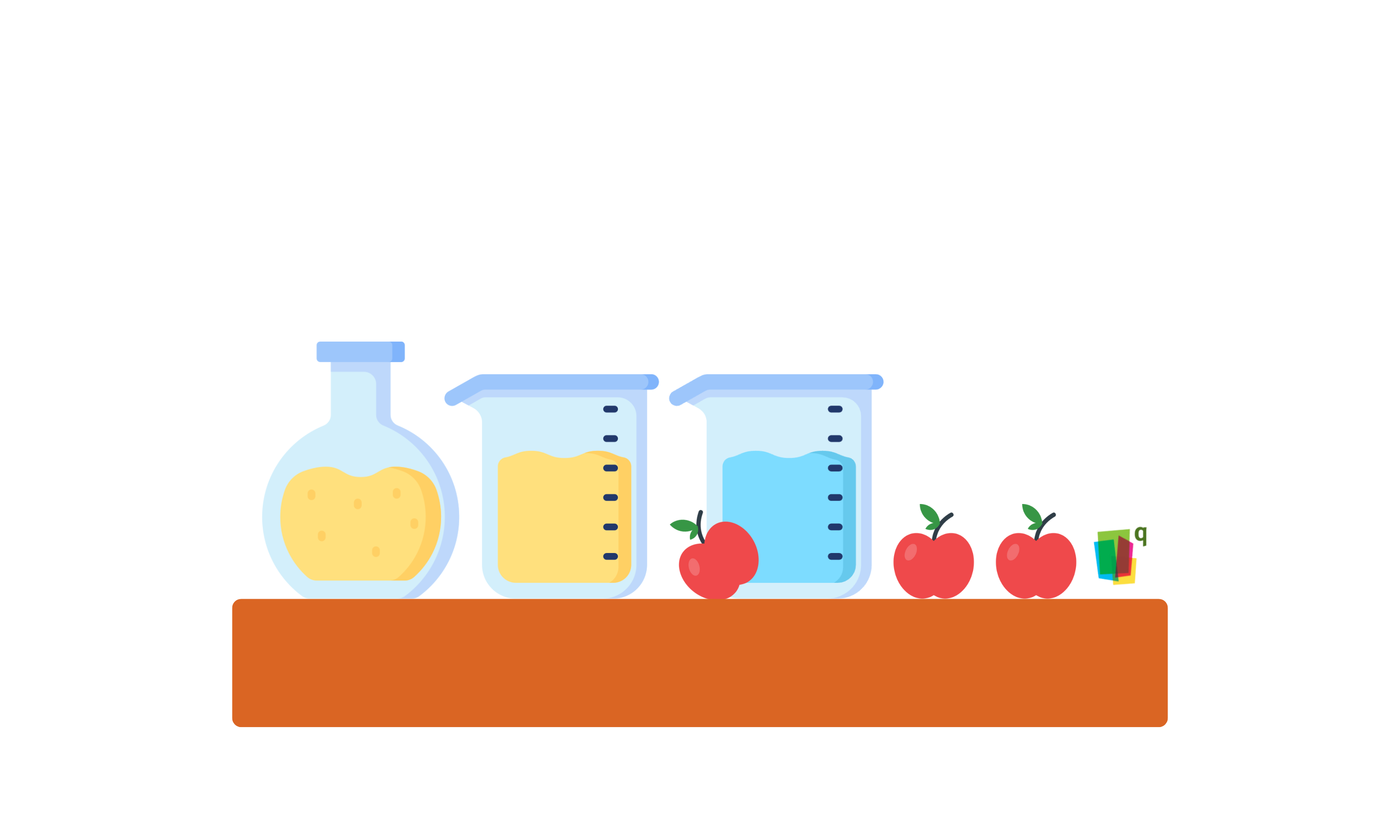
Cut apples and test different methods to slow oxidation, such as lemon juice, salt water, or covering them in plastic wrap. Students can hypothesize, record changes, and compare which solution preserves the apple longest. This introduces chemical reactions in a simple, visual way. - Temperature Tracking & Graphing (Math & Science Integration)
Have students collect daily temperature data during the fall and create line graphs or bar charts to spot patterns in seasonal weather. For older students, they can compare data sets with historical averages and discuss climate trends. - Leaf Surface Area & Photosynthesis (Biology & Math)
Students trace leaves of different sizes, calculate their approximate surface area, and discuss how leaf size might affect photosynthesis and water retention. It’s a great way to tie math measurement into a science concept. - Pumpkin Density & Sink-or-Float Challenge (Physics)
Before carving pumpkins, test whether different sizes sink or float. Then calculate density by measuring weight and volume. Many students are surprised to learn that even huge pumpkins float, sparking curiosity about buoyancy.
Literary Adventures
Autumn also lends itself beautifully to language arts. Assign fall-themed literature and encourage students to write their own seasonal essays, journal entries, or creative pieces. Pair the readings with classroom discussions about change, tradition, or community to deepen comprehension while keeping the mood festive.
Wrapping Up the Autumn Season
Autumn is more than a change in the weather. It’s a reminder of growth, transition, and connection. By weaving fall into your lessons, you’re giving students festive fun while offering opportunities to explore, create, and reflect in ways that feel fresh and meaningful. Whether they’re mapping pumpkin data or sharing gratitude on a classroom kindness wall, these activities root learning in the season’s spirit. As the leaves turn and the days shorten, may your classroom feel just as vibrant, full of curiosity, collaboration, and the joy of learning.

