

The Nobel Prize is a symbol of extraordinary human achievement, honoring breakthroughs in fields like science and peace. However, its influence goes beyond academics. It inspires art, film, and culture, helping to share Nobel-winning ideas with people everywhere. These creative works make complex ideas easier to understand and connect with, showing how Nobel winners’ contributions can shape global culture. Let’s look at how this prestigious award inspires creativity and influences the world beyond science and research.
Nobel Laureates and Their On-Screen Legacies
Nobel laureates and their discoveries have inspired some of the most compelling film:
1. A Beautiful Mind (2001)
This acclaimed biographical drama follows John Nash, a Nobel laureate in Economics whose groundbreaking work in game theory transformed modern economics. The film delves into Nash’s mathematical genius and his resilience in battling schizophrenia, making complex concepts both poignant and relatable.
2. The Imitation Game (2014)

Though Alan Turing did not win a Nobel Prize, his revolutionary contributions to computer science influenced many Nobel-winning advancements. This film captures Turing’s genius and his role in breaking Nazi codes during World War II, showcasing how intellectual breakthroughs shape history.
3. The Theory of Everything (2014)
Based on the life of physicist Stephen Hawking, who, despite his groundbreaking contributions to black holes and cosmology, was never awarded a Nobel Prize. This film explores both his revolutionary work and his struggles with ALS, offering a moving portrayal of science and humanity.
4. The Man Who Knew Infinity (2015)

This film tells the story of Srinivasa Ramanujan. Although not a Nobel laureate, his groundbreaking work in mathematics deeply influenced fields that later contributed to Nobel-winning research in physics and other sciences. His journey from humble beginnings to Cambridge University is both inspiring and enlightening.
5. Hidden Figures (2016)
While Hidden Figures focuses on NASA’s unsung heroes, it also underscores the Nobel-worthy contributions behind space exploration. The film illustrates how marginalized voices, often overlooked due to race and gender, played a key role in groundbreaking scientific achievements—innovations that align with the kinds of advancements that lead to Nobel Prizes.
Classroom Connection: Films like these can make complex scientific or social concepts engaging for students. For example, a math lesson on Nash equilibrium can incorporate clips from A Beautiful Mind.
Nobel Literature: Stories That Change the World
The Nobel Prize in Literature honors authors whose work reshapes societal narratives. Notable examples include:
1. Toni Morrison (1993)
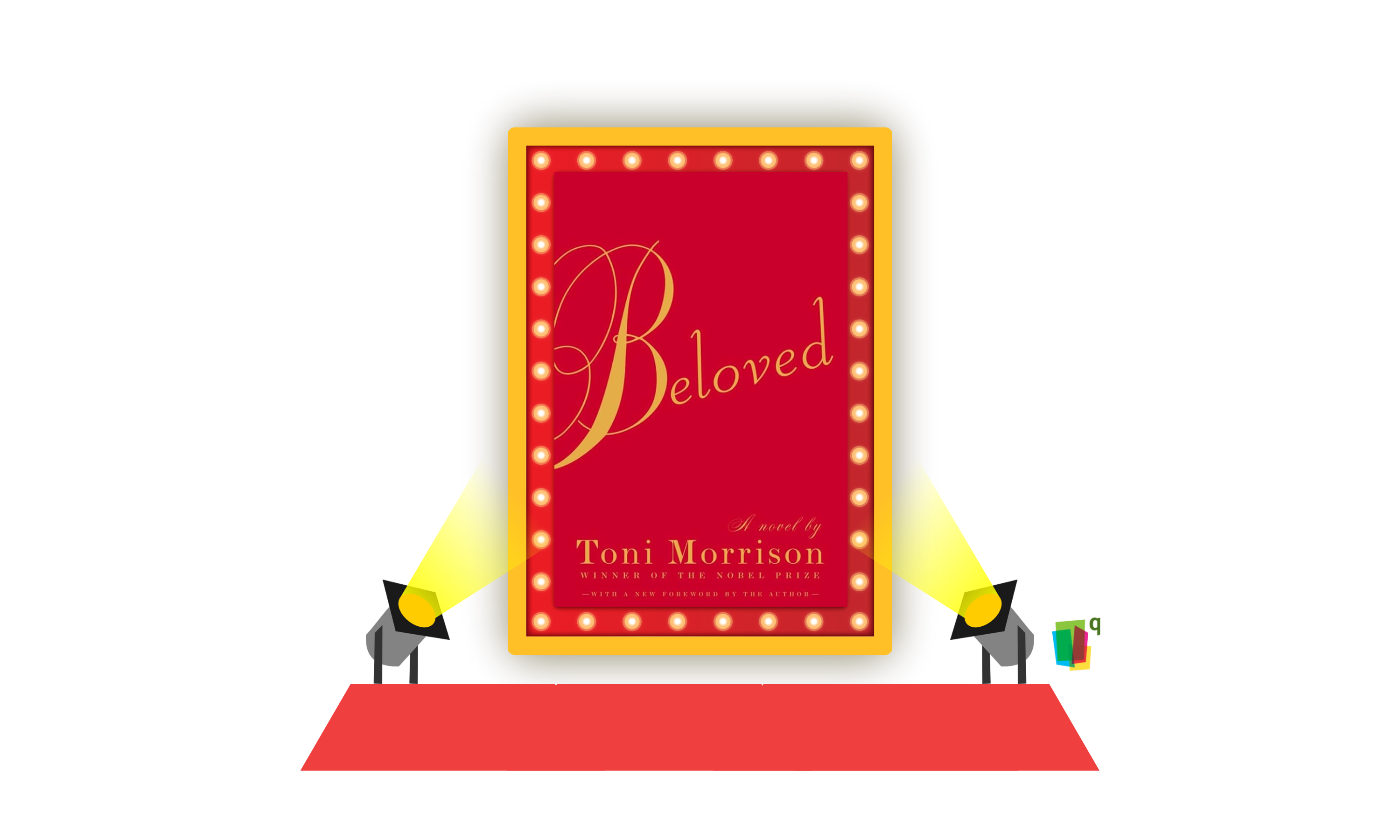
Toni Morrison won the Nobel Prize in Literature in 1993 for her impactful storytelling that captures the African-American experience. Her famous novel Beloved explores the painful legacy of slavery with poetic and powerful language. Her works amplify voices often silenced, fostering conversations about race, identity, and resilience.
2. Gabriel García Márquez (1982)
Gabriel García Márquez received the Nobel Prize in Literature in 1982 for his unique style of magical realism. His masterpiece One Hundred Years of Solitude blends myth and history, transforming how Latin American stories are told.
3. Kazuo Ishiguro (2017)

Kazuo Ishiguro was awarded the Nobel Prize in Literature in 2017 for his emotional and reflective novels. Works like The Remains of the Day and Never Let Me Go explore themes of memory, identity, and humanity. His works are both deeply personal and universally relevant.
4. Albert Camus (1957)
Albert Camus won the Nobel Prize in Literature in 1957 for his exploration of existentialist ideas. Through works like The Stranger, Camus popularized existentialism, prompting readers to confront the absurdities of life and the search for meaning.
5. Svetlana Alexievich (2015)

Svetlana Alexievich earned the Nobel Prize in Literature in 2015 for her exceptional work in oral history. ln Voices from Chernobyl, she compiles personal accounts from survivors of the Chernobyl nuclear disaster, capturing the profound emotional and human impacts of the event. By focusing on their personal experiences, she creates a powerful, human-centered narrative that conveys the deep psychological and societal consequences of the tragedy.
This approach to storytelling helped her win the Nobel prize, recognizing the unique power of oral history as literature and its ability to reveal the true human cost of historical events.
Classroom Connection: Assign excerpts from Nobel-winning works to explore themes like love, justice, and resilience. For example, discuss magical realism through García Márquez or use Camus’s philosophy to debate morality and existence.
Nobel Peace Prize: Art for Advocacy
The Nobel Peace Prize has a powerful influence. Inspiring cultural works that promote global justice and equality. Recognizing individuals who fight for positive change, often sparks art, film and culture. For example, like movies, books, songs, and other forms of art that share their message with the world. These works keep the legacies of Nobel prize laureates alive, motivating people and encouraging social movements. Now, let’s take a look at some Peace Prize winners and how their stories have been represented in art and culture.
1. Martin Luther King Jr. (1964)
King’s powerful speeches and activism have inspired countless works of art, including murals, musical compositions, and films promoting racial equality and justice.
- Selma (2014) is a highly regarded film about the Civil Rights Movement, particularly focusing on the 1965 Selma to Montgomery marches that were a key part of King’s efforts.
- Strength to Love is a collection of Martin Luther King Jr.’s sermons, published in 1963, emphasizing nonviolent resistance and racial justice.
2. Mother Teresa (1979)
Her work with the poor inspired biographies, films, and artworks celebrating compassion and selflessness, resonating with audiences of all faiths and backgrounds.
- The Letters (2014) is a movie that looks at Mother Teresa’s life, drawing from her personal letters.
- Mother Teresa: Come Be My Light is a well-known book that compiles her letters, showing both her life’s work and her struggles.
3. Al Gore (2007)
Gore’s climate activism, honored with the Peace Prize, inspired the documentary An Inconvenient Truth, which mobilized global action against climate change.
- An Inconvenient Truth (2006) is a landmark documentary that features Al Gore’s advocacy on climate change.
- Michael Jackson’s Earth Song (1995) aligns with the themes of environmental activism, like the ones that Al Gore popularized, though it’s not directly connected to him.
4. Malala Yousafzai (2014)
Malala’s memoir, I Am Malala, has sparked plays, documentaries, and youth movements advocating for girls’ education worldwide, proving that a single voice can inspire millions.
- I Am Malala (2012) is her famous memoir detailing her fight for girls’ education.
- He Named Me Malala (2015) is a documentary that explores her activism.
5. Nadia Murad (2018)
Her advocacy for survivors of sexual violence has inspired films, speeches, and books amplifying the plight of marginalized communities.
- The Last Girl (2017) is Nadia Murad’s memoir about surviving ISIS captivity and her advocacy for Yazidi women.
- On Her Shoulders (2018) is a powerful documentary that follows Nadia Murad’s efforts to raise awareness about sexual violence and genocide against Yazidis.
Classroom Connection: Encourage students to create artistic responses to Nobel-inspired themes. For example, design a mural about peace, write a poem on climate change, or produce a short film advocating for equality.
How Nobel Achievements Shape Global Perspectives
The Nobel Prize serves as a catalyst for creativity, inspiring the creation of art, film, and culture. Beyond art and film, the Nobel Prize influences cultural movements, sparking conversations and awareness that reshape societal values and priorities.
1. Science and Public Awareness

The groundbreaking work of Nobel laureates like Marie Curie (1903, 1911) has advanced scientific knowledge and inspired global interest in science education. Her discoveries in radioactivity led to public campaigns encouraging women to pursue careers in STEM. Today, her legacy lives on in science fairs, museums, and workshops, fostering innovation and critical thinking in young minds.
2. Literature and Identity
Rabindranath Tagore’s Nobel Prize in Literature (1913) brought global recognition to Indian culture, emphasizing the power of literature to shape national and personal identities. He paved the way for future writers from non-Western countries to share their voices on the world stage.
3. Advocacy Movements
Malala Yousafzai, the youngest Nobel Peace Prize winner in 2014, showed how one person can fight for every child’s right to education. Her bravery has inspired young people everywhere to stand up for what’s right. Other Nobel Peace winners, like Martin Luther King Jr., have done the same by fighting for freedom and equality, reminding us that change is possible.
4. Music and Storytelling

Bob Dylan’s 2016 Nobel Prize redefined literature by including songwriting as a profound medium of expression. His lyrics, layered with political and social commentary, demonstrate the power of music to influence thought and inspire change. Dylan’s recognition sparked debates about what constitutes “literature,” broadening the scope of creative fields eligible for such honors.
5. Exhibitions and Museums
The Nobel Prize Museum in Stockholm offers interactive exhibits to share the stories of Nobel winners with the world. These exhibitions honor the Laureates’ contributions and make complex ideas accessible to the public. Museums often host talks, workshops, and multimedia experiences, encouraging visitors to draw connections between Nobel-winning ideas and everyday challenges.
6. Global Celebrations
Every year, the Nobel Prize ceremonies celebrate people who make the world a better place. Nobel Week in Stockholm includes lectures, concerts, and exhibitions that bring laureates’ achievements to a global audience. These events encourage cross-disciplinary conversations, illustrating how interconnected the worlds of science, art, and peace are. By celebrating such achievements, the ceremonies inspire individuals worldwide to value curiosity, innovation, and the pursuit of knowledge.
Bridging Ideas and Imagination in Art, Film, and Culture
The Nobel Prize is more than a celebration of excellence. It’s a bridge between intellect and creativity, science and storytelling, activism and art. By transforming complex achievements into relatable narratives, the art, film and culture amplify the Nobel Prize’s impact on the world. Inspiring generations to dream bigger, think deeper, and act bolder. Through the exciting discoveries of “Nobel Ideas”, the intersection of knowledge and creativity opens doors to new ways of understanding the world. Teachers, artists, and filmmakers can harness this synergy to spark curiosity, encourage critical thinking, and cultivate a sense of wonder in students and audiences alike.

[…] How the Prize Inspires Art, Film, and Culture […]