
If you walk into a classroom today, don’t be surprised if it looks nothing like the straight rows of desks you grew up with. Teachers are rethinking classroom design, shifting furniture around like interior designers on a mission. Sometimes it’s about carving out space for collaboration, sometimes it’s about giving students more choice in where they work, and other times it’s just about keeping the energy fresh. One thing’s certain: classroom design and layout are not random. It shapes how the day feels, how smoothly lessons flow, and how students connect.
Why Classroom Design and Layout Matter
If you’ve ever had to stop mid-lesson because two students across the room were whispering about an episode of Wednesday instead of solving fractions, you already know how much layout matters. Where you place those tables can either invite focus or fuel distraction, and it even dictates how smoothly students transition from one activity to the next.
But layout is only half the story. Classroom design, such as the wall color or the way displays are arranged, sets the tone before a single word is taught. A calming, well-organized room can lower stress and help students settle in faster, while a cluttered or dull one can make them restless before the lesson even begins.
And it’s not just a “feeling”, research backs this up. The way a classroom is arranged directly shapes how students interact, how often they participate, and how long they stay engaged. A simple shift in where a desk goes can mean the difference between a student zoning out or leaning into the discussion.
Traditional and Modern Classroom Arrangements
Layout is also one of the most underrated tools for classroom management. A thoughtful design can cut down on side chatter, encourage peer accountability, and give you the freedom to switch effortlessly between whole-class instruction. Such as small group work and independent study. In many ways, your setup becomes a silent co-teacher. So when a classroom layout is working with you, the class runs more smoothly. When it doesn’t, teachers can sense this immediately. The way you set up your tables says a lot about the kind of teaching and learning you want to see in your room. Here are the classics, the trendy ones, and everything in between.
Rows / The Classic

What it looks like: Straight lines of desks all facing the board, neat and orderly, like a grid.
Rows are the setup most of us grew up with, and for good reason. They’re structured and make it really easy to keep an eye on everyone. When you’ve got a test coming up, or a lesson where you need every set of eyes on the board and every brain fully engaged, rows just work. They create instant focus. But they also carry that very “teacher-centered” vibe. Students aren’t chatting or collaborating much in this setup. They’re listening, absorbing, and working on their own. That’s not necessarily a bad thing; it just depends on your goals.
U-Shape / Horseshoe
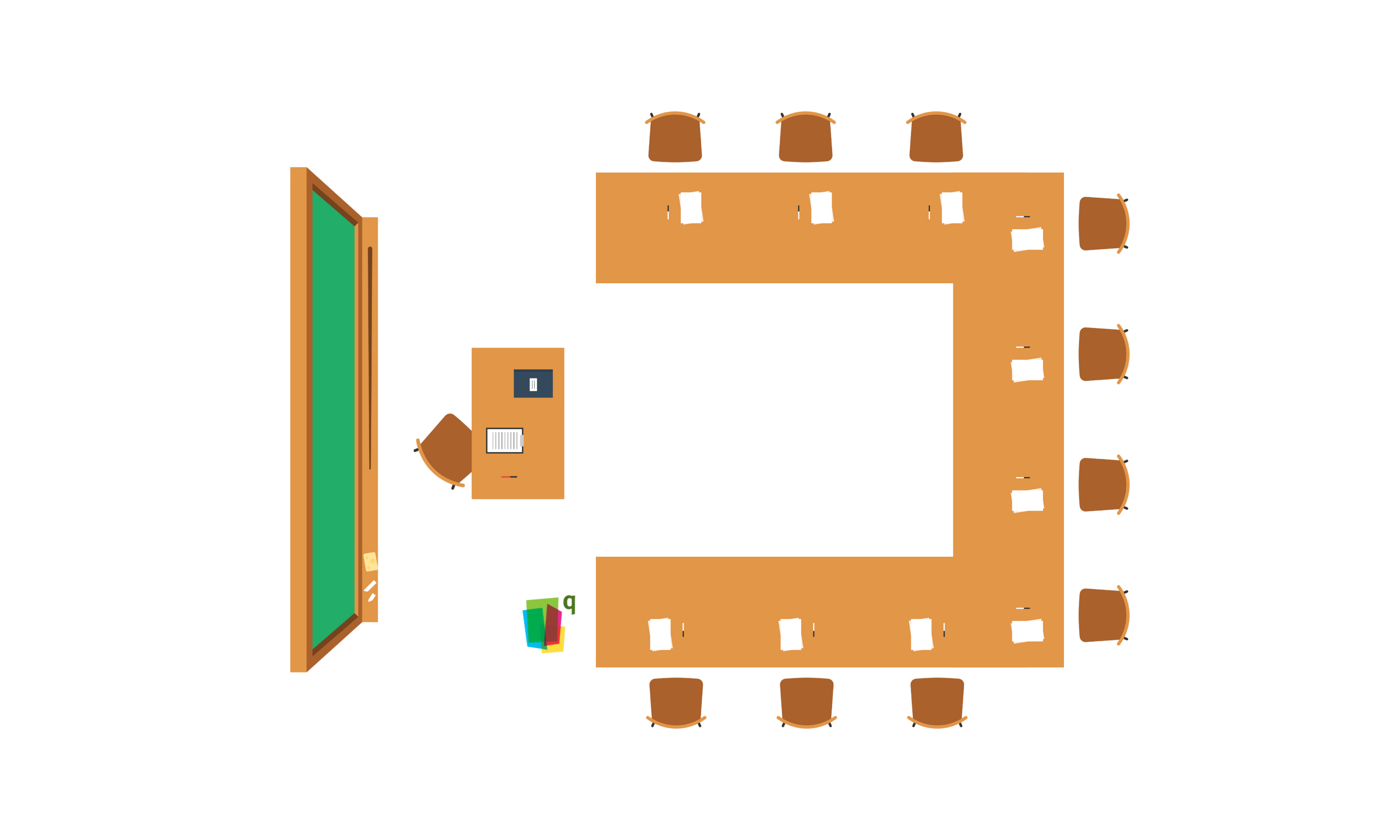
What it looks like: Desks wrapped around the edges of the room, leaving a big open space in the middle.
The U-shape is the discussion teacher’s dream. Instead of looking at the back of heads, suddenly students can actually see each other’s faces. It’s perfect for debates, presentations, or any lesson where you want your class to feel more like a conversation than a lecture. The downside is space. If you’re teaching 35 students, your “U” quickly turns into a wonky letter “C” that barely fits. But if your class size allows it, this setup changes the whole vibe of your room. It feels democratic, interactive, and a little less formal. Students love it because it feels like everyone has a voice, although they might not love how visible they are when they’re trying to zone out.
And here’s a bonus: U-shapes and traditional rows are your best friends when it’s movie day. Both give every student a clear view of the screen and keep attention where it should be. So if you’re planning to roll out an educational movie or TV show, stick to these arrangements.
Clusters / Pods
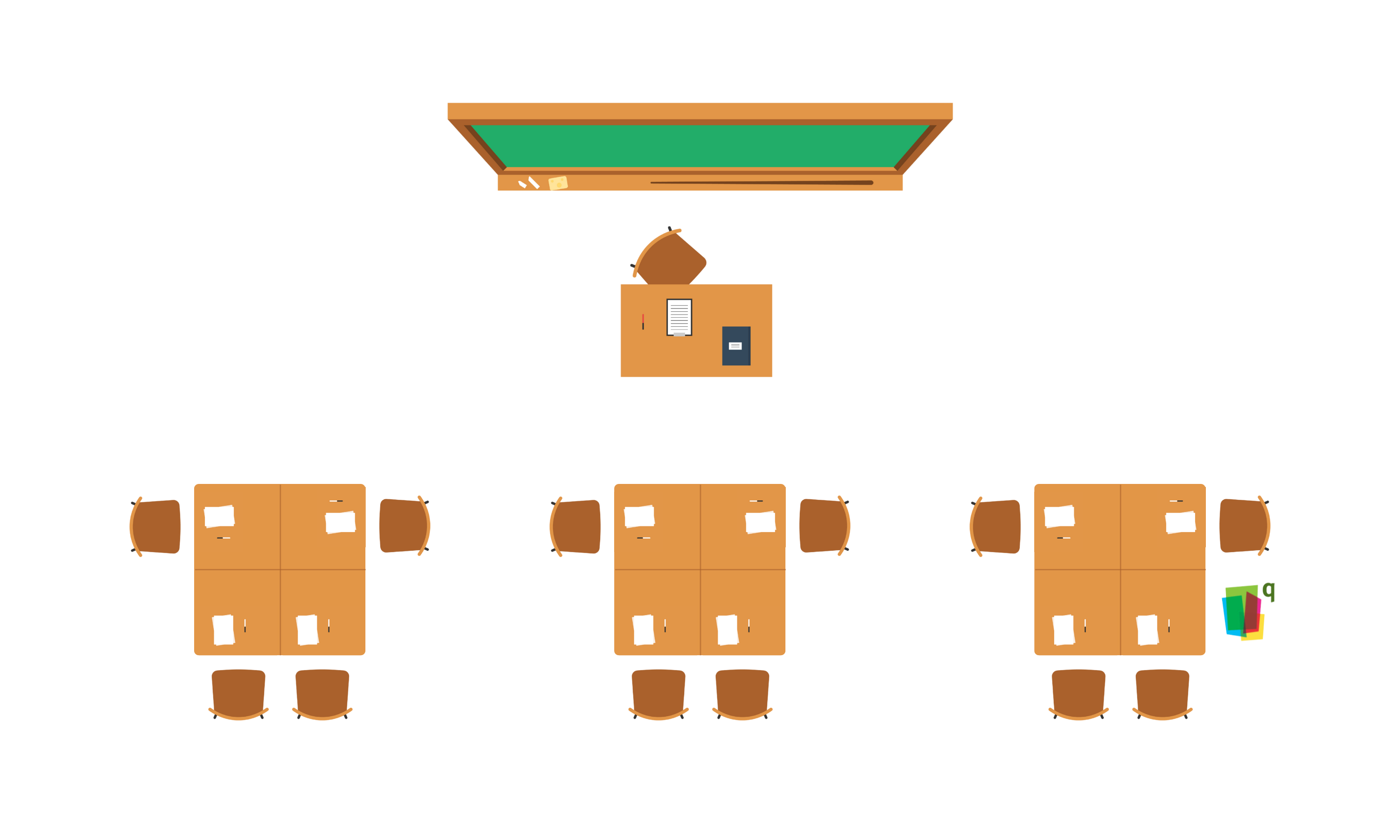
What it looks like: Groups of four to six desks pushed together into little islands spread around the room.
Clusters are the bread and butter of collaborative classrooms, especially in elementary grades. Group work becomes effortless because kids are already facing one another, ready to dive into projects or problem-solving. The energy in a room with clusters feels instantly more alive; it’s a little community at each table. But with that community comes the risk of chatter, giggles, and off-task conversations. That’s where strong routines and clear expectations come in. Done well, pods can make a classroom buzz in the best possible way, with students leaning on each other for learning instead of relying only on the teacher. Done poorly, and you’ll feel like you’re trying to teach over six mini comedy clubs at once.
Flexible Seating
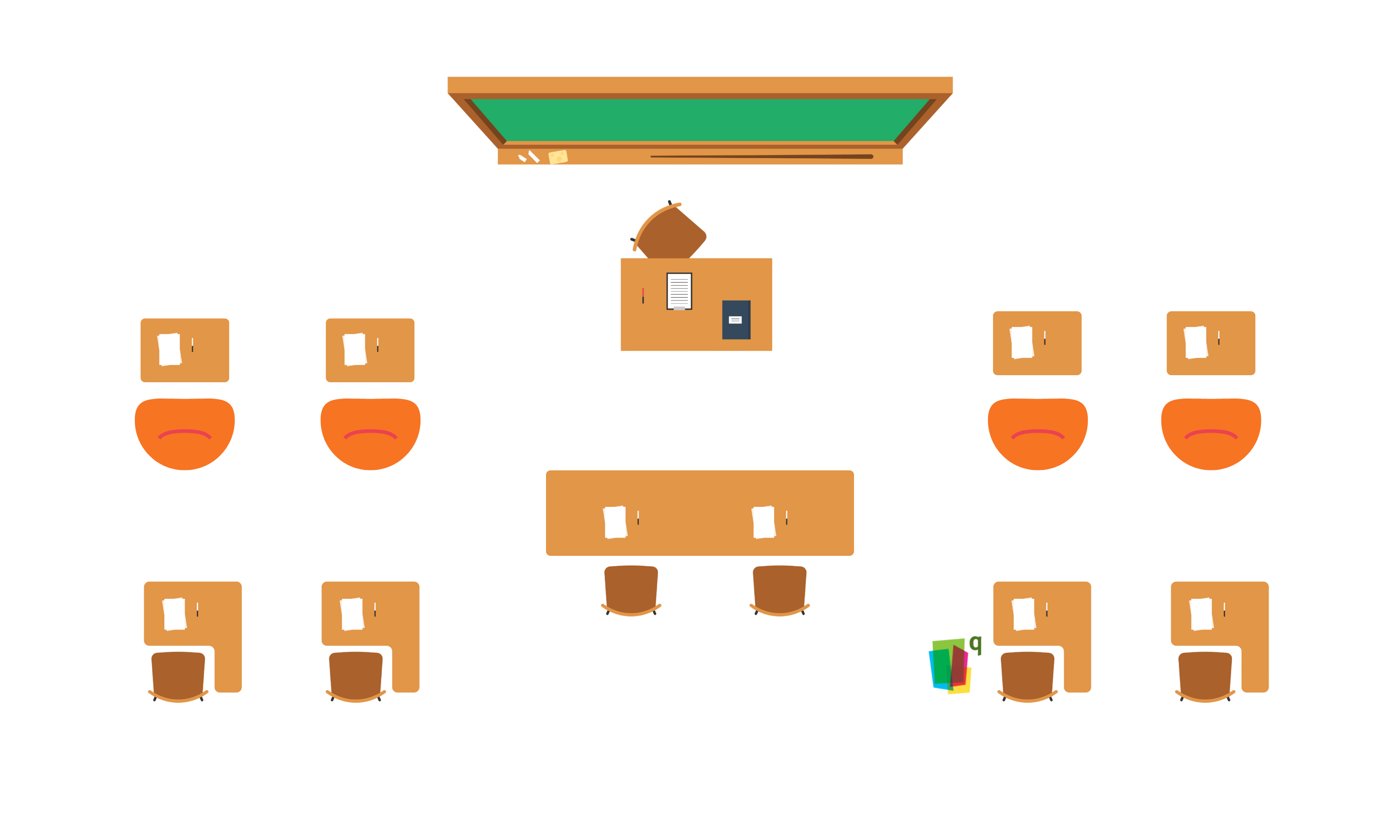
What it looks like: A mix of tables, standing desks, stools, floor cushions, beanbags, and whatever creative seating you can wrangle together.
Flexible seating has been having its moment for years now, and it’s easy to see why. It transforms a classroom into a space that feels inviting and student-centered. Some students focus better at tall tables, some like to sprawl on the floor, and others appreciate the comfort of a soft chair tucked in a corner. Giving students choice in where they work can be empowering, and it often boosts motivation and ownership. Of course, flexible seating isn’t all rainbows and cozy rugs; it requires clear routines and boundaries, or else it can feel like recess the entire day.
Stations / Centers

What it looks like: Different zones around the room: a reading corner, a tech station, a teacher table, a group project area, each with a specific purpose.
Stations turn your classroom into a learning playground. Instead of 25 students all doing the same thing at the same time, they rotate through smaller groups, tackling different tasks in different spaces. This setup is especially effective in elementary classrooms, where guided reading or math centers are the norm. It keeps kids moving, keeps the pace lively, and allows for more personalized instruction. However, without clear routines, station rotations can look less like smooth learning and more like bumper cars. But once students know the flow, stations give your classroom variety and energy, and they give you breathing room to work more closely with small groups.
Matching Arrangements to Grade Levels
Of course, not every setup works for every grade. Kindergarteners, for example, aren’t exactly built for rows. Early elementary students thrive when they’re in clusters or rotating through stations. They wiggle, they sprawl, they drop crayons on the floor every thirty seconds, so expecting them to sit in neat lines all day is a recipe for frustration. They need the movement, the hands-on opportunities, and the space to spread out with their crafts.
Upper elementary is where things start to shift. These students can handle more independence, but they still benefit from collaboration. A mix of clusters, stations, and the occasional row setup (especially on test days) tends to hit the sweet spot. They’re old enough to manage group expectations, but young enough that they still genuinely enjoy a hands-on, collaborative vibe.
Middle schoolers, on the other hand, are all about adaptability. One day you’ll want them in rows for direct instruction, the next you’ll want them in a U-shape for a class debate. And depending on the subject, you may find yourself switching between setups more often. Some teachers even keep two or three “go-to” layouts and train students to switch quickly, because let’s face it, middle schoolers love an excuse to get up and move anyway.
By high school, the arrangement often depends less on age and more on the subject being taught. Math and science classes are usually rows and lab-style seating, where everyone needs to face forward and follow precise steps. Subjects like English and History are better suited to U-shapes or even circles for discussions. And project-based subjects like Art, Business, and Technology work best with clusters or flexible seating. The beauty of high school is that teachers usually have a bit more control over their rooms, so you can match the setup to the energy of your subject and your teaching style.
Trends in Classroom Design
If you’ve been on Instagram or TikTok lately, you’ve probably seen the rise of flexible seating and “21st-century classrooms.” Teachers are moving away from the traditional rows and leaning into spaces that feel more student-centered and more adaptable. There’s also a push for modular, mobile furniture that makes it easier to rearrange rooms on the fly. However, it is important to note that the heart of this trend isn’t about expensive furniture or picture-perfect setups. It’s about creating spaces that reflect how students learn best.
From Beige to Belonging: The Decorating Shift
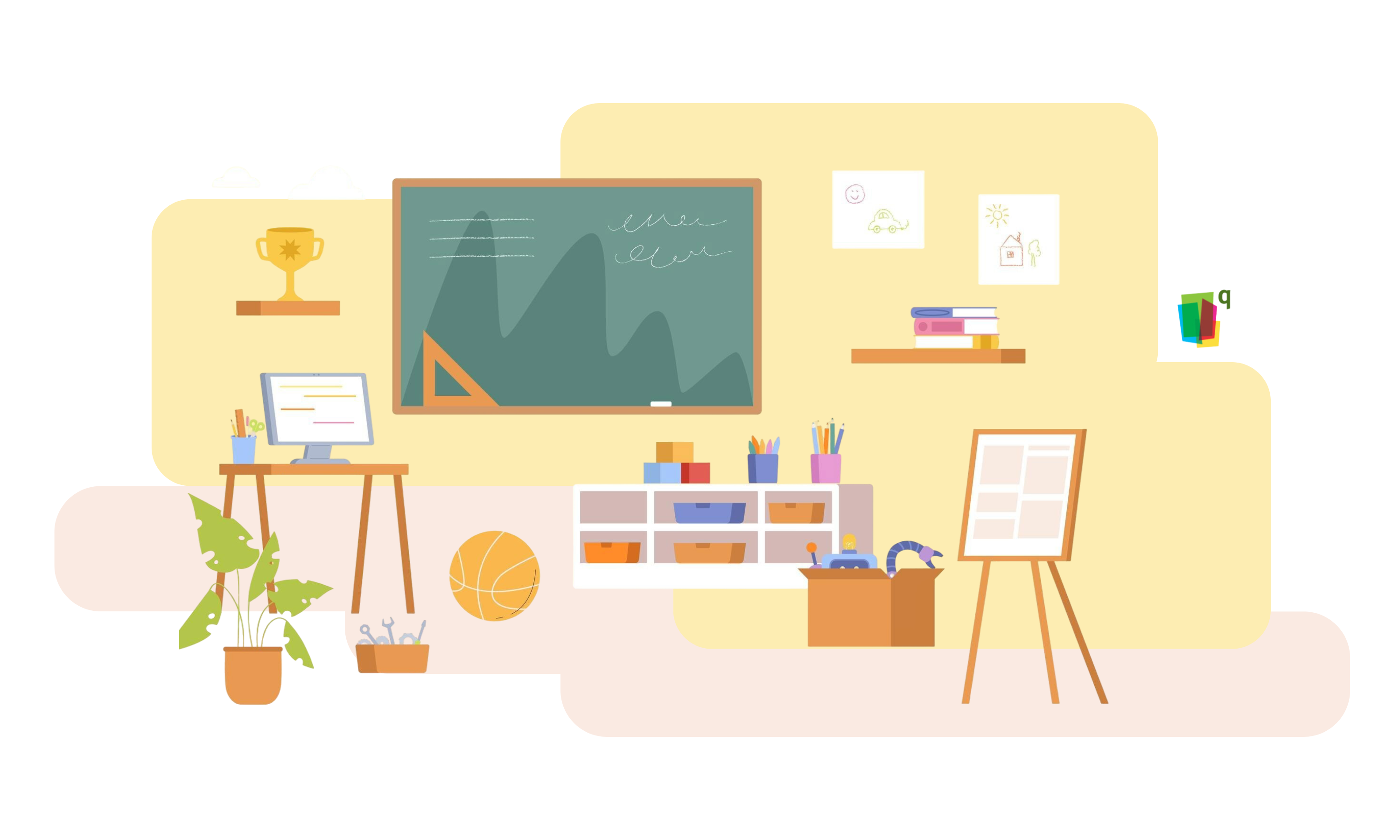
Most classrooms start out looking… well, like a rental apartment. Beige walls, brown desks, maybe a single corkboard if you’re lucky. Not exactly the kind of space that sparks curiosity or joy. But teachers? Teachers have a superpower. They see a blank, boring room and start imagining the possibilities. That’s why “before and after” classroom transformations feel so magical. They take a space designed for utility and turn it into a place students want to learn in.
Walls:
Bare walls can feel like a hospital. Some teachers create anchor chart galleries or word walls that get used during lessons. Others put up motivational quotes or student-created art to make the space feel collaborative. If you’re into themes, the walls are your canvas. A “book café” vibe with framed covers, a “nature” theme with leafy borders, or even a simple color scheme that ties everything together.
Desks and Tables:
Some teachers give students ownership by letting them decorate name tags, or add small desk toppers with dry-erase sheets for quick notes and doodles. For group tables, colorful caddies for supplies not only brighten things up but also keep chaos under control.
Bulletin Boards:
Gone are the days when bulletin boards were just for the teacher’s best borders and cutouts. Now they’re interactive. Think “What we’re reading” displays where kids add sticky notes with book titles, or a “celebration wall” for student accomplishments. Some boards double as calm corners with positive affirmations, and others are also info hubs for class schedules and reminders.
Storage & Organization:
Color-coded bins, rolling carts, or even themed labels do double duty. They keep supplies tidy, and they add to the classroom aesthetic. A rainbow cart of markers and paper feels worlds different from a pile shoved in a cupboard.
Little Touches That Go Big:
Plants (real or fake), rugs, curtains, or even DIY bulletin board borders out of fabric or wrapping paper. These aren’t just cute, they warm up a room that might otherwise feel cold.
You don’t need a massive budget or a full makeover. It’s about small choices that change how the room feels. A bare wall turns into an interactive space. A boring desk becomes something students feel connected to. A dull corner becomes a cozy nook where kids want to sit down and read.
Classroom Themes That Work
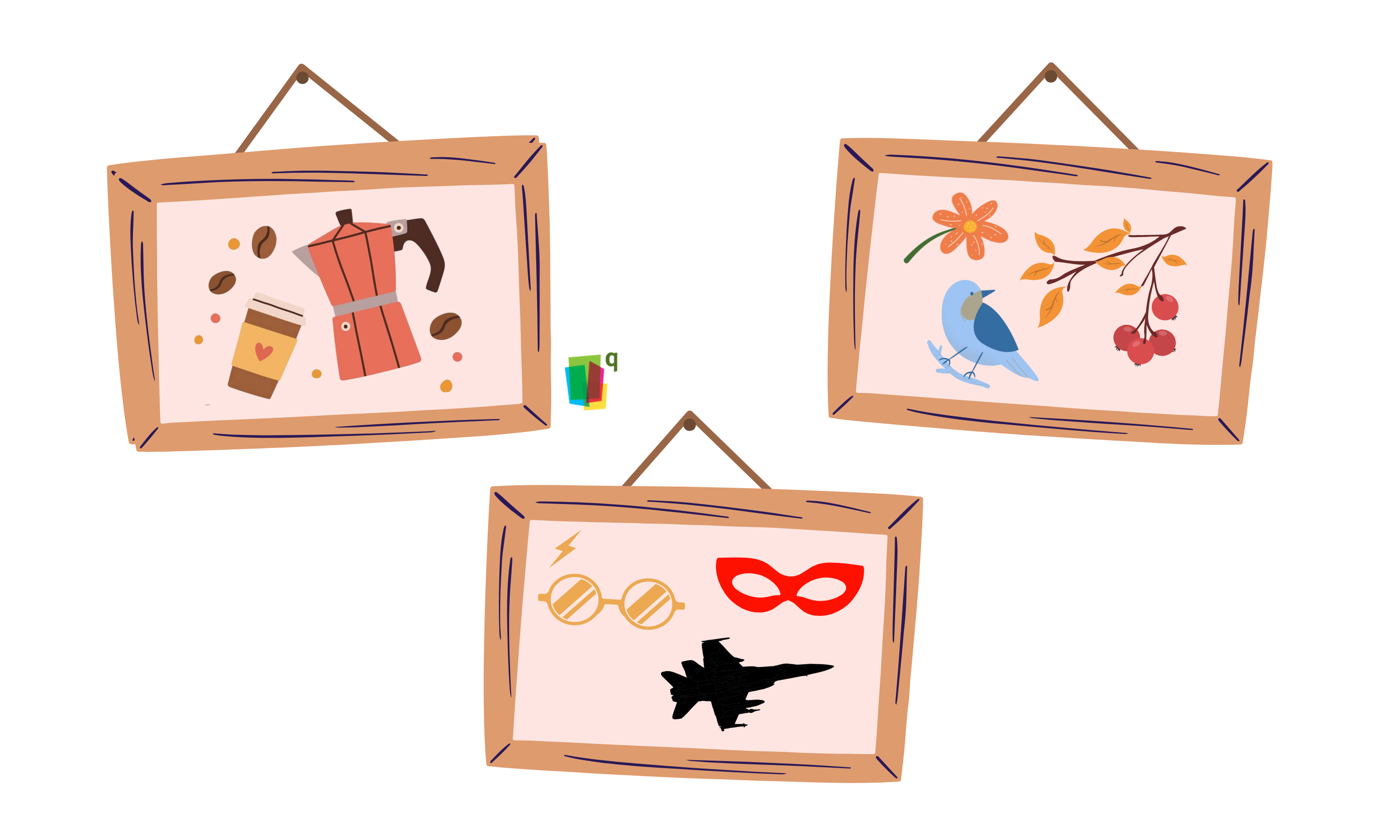
Themes don’t have to mean a Hollywood set design. Think of them as gentle guides for setting the tone you want in your classroom. If you’re looking for inspiration, you can always browse through a variety of classroom decoration ideas. Let’s explore a few of our favourites.
1. The Café Classroom
Think cozy coffee shop: muted colors and plenty of comfortable seating options. Walls can display “menus” of reading choices or class jobs. Desks might have faux wood contact paper or simple tablecloths to add warmth. A small reading corner with a rug and pillows becomes the “cozy nook.”
2. Nature-Inspired
Bring the outside in. Green bulletin board borders, leafy garlands, soft lighting, and (real or fake) plants instantly shift the room’s energy. Walls can hold growth mindset posters styled like trail signs, and student work can be hung on a “learning tree” board. Desks and tables stay clean, but you can add nature-themed labels or baskets.
3. Minimal & Color-Coded
Not everyone wants a rainbow explosion. Minimalist classrooms use one or two consistent colors to keep things neat and calm. Desks can be labeled with matching colors for groups (red team, blue team, etc.). Bins, folders, and bulletin boards match the palette. Perfect for teachers who like order and want students to focus without visual overload.
4. Pop Culture Tie-Ins
Some teachers lean into themes kids already love. Harry Potter “house” groups, superhero squads, or even classroom jobs framed as roles on a “film crew.” Star Wars is another big favorite. From dividing students into Jedi and Rebels to decorating with galaxies and lightsabers, it’s a theme that practically designs itself. Desks can have group names tied to the theme, bulletin boards can become interactive leaderboards, and motivational posters can take on fun pop-culture twists.
5. Student-Centered Showcase
Instead of the teacher picking the theme, the students do. The walls become galleries of student work, with rotating displays that they help curate. Desks might have self-decorated nameplates or small spaces for student drawings or collages. The idea here is ownership; the classroom looks and feels like it belongs to them, and it is a great way to foster creativity in the classroom.
Conclusion
At the end of the day, classroom design and layout are more than just decoration or where desks go. They’re part of your teaching strategy, a silent form of classroom management, and a way to set the tone for your community of learners. The “right” setup will change with your grade level, your teaching style, and sometimes even just the day’s lesson.
So don’t stress about finding the “perfect” classroom look. Think of yourself as a designer with a flexible canvas. If you ever find yourself sweating while dragging desks or pinning the hundredth border on your bulletin board, just know you’re not alone. That’s the sound of a teacher making magic happen.

[…] Board Glow-UpTeachers beam as their Pinterest masterpieces sparkle to life on the walls. Students feel the space shift from “blank” to “ours.” The dread? Glitter. Once it’s in your classroom, it’s in your […]