
You know that feeling when you’ve put your heart and soul into a lesson, but something just seems… off? Maybe the students aren’t as engaged as you hoped. Or you’re just not seeing the results you expected. Well, what if the key to unlocking a truly effective classroom is sitting right there in front of you—in the minds of your students?
In this article, we’re going to dive into why student feedback is so important for creating a captivating learning environment, along with some practical strategies you can use right away.

Understanding the Importance of Student Feedback
The classroom is a place for everyone—including teachers—to learn new things.
Taking the time to listen to your students is a powerful lesson in itself—the kind that helps you adjust your teaching methods and create a classroom where everyone feels challenged and supported. Your students are the ones experiencing your teaching every day, so they’re the ones who can tell you what’s clicking and what isn’t.
You already know that student feedback matters, but did you know it can actually backfire? A classic educational study found that over one-third of the time, feedback actually made things worse for students.
That’s why feedback needs to be focused. It should be clear about a student’s goals and results, delivered individually, and presented in a way that builds motivation. Think of encouraging (but specific) comments delivered soon after an assignment, for example.
This type of meaningful feedback can lead to big improvements in the classroom, such as:
- Increased confidence: When students know their opinions are valued, they’re more likely to actively participate and invest in their learning.
- Better teaching strategies: Direct feedback helps identify areas for improvement in your teaching style and curriculum design.
- Stronger student-teacher relationships: Creating a dialogue shows you care. It builds a foundation of respect and trust that benefits everyone.
- A culture of continuous improvement: Feedback isn’t a one-time thing. Regularly seeking feedback creates an environment of growth—for you and your students.
Now, let’s jump into the best strategies to encourage—and manage—student feedback.

1. Create a Safe Space for Communication
For your students to be willing to leave honest feedback, they need to feel safe and able to communicate with you. This type of communication is based on four elements: confidentiality, trust, consistency, and transparency.
Confidentiality
Not everyone likes putting their hand up in class. When you guarantee students’ anonymity, you’re telling them it’s okay to be honest. It gives them the freedom to open up without fear of judgment.
Trust
Remember those trust falls back in team-building workshops? Yeah—building trust takes time, but it’s crucial! When you follow through on your promises and actually use their feedback, students are way more likely to keep those comments coming.
Consistency
Don’t just ask for feedback once and call it a day. Make it a regular habit—whether it’s quick polls in class or end-of-unit reflections. When students see that their opinions matter consistently, they’re more likely to share openly.
Transparency
Tell your students exactly why you’re asking for their feedback and how you’ll use it. When they know the “why” behind your actions, they’re more likely to be on board.

2. Ask Questions That Matter
One study found that when teachers gave verbal feedback—such as quick chats or comments in class—students actually felt more heard than when they got written feedback. That said, interestingly enough, verbal feedback was not always correlated to a boost in confidence or motivation.
To really break through, it’s important to not just talk at your students. Rather, it needs to be a two-way conversation where you’re asking them questions and making them think. When you ask the right questions, you get a much clearer picture of what they need and where they’re coming from.
Here are a few examples of questions that really hit the mark:
- “What’s one thing you’re excited to learn more about in this subject? What’s one thing you’d rather skip?”—Ask this at the beginning of a new unit. It helps you gauge existing knowledge and adjust your lesson plans to match their interests.
- “What was the most confusing part of today’s lesson? What would make it clearer?”—Use this one after a particularly challenging lesson. It helps pinpoint areas where students might be struggling and prompts them to take ownership of their learning.
- “If you were the teacher for a day, what would you do differently in this class?”—This question gets students thinking outside of the box, and it’s a great way to brainstorm ideas that you’d never thought of before. Don’t be afraid to have fun with it!
3. Implement a Triad Approach to Assessment
A triad approach consists of—you guessed it!—three elements: self-assessment, peer assessment, and teacher assessment. Let’s take a closer look at each one.
Self-Assessment
Self-reflection is more than just a topic in philosophy class! Getting students to assess their own work can feel a little strange at first, but trust us, it crafts a powerful message.
The trick is to make sure they’re not just slapping a grade on it and calling it a day. Give them clear guidelines and questions to consider. You might even have them self-assess before you grade, then compare notes afterward. It’s like holding up a mirror to their learning, helping them understand their strengths and areas where they can grow. Once they know what A* work looks like, they have a tangible something to shoot for.
Peer Assessment
Remember that old saying, “The best way to learn something is to teach it”? Well, turns out there’s truth to that! Peer assessment (getting students to provide feedback to one another) isn’t about being mean; it’s about getting them to think like teachers. They learn to analyze, critique, and see things from different angles, all while strengthening their own understanding. Plus, sometimes hearing feedback from a peer resonates in a way that feedback from a “grown-up” just can’t.
Teacher Assessment
While self and peer assessments are super valuable, teacher feedback is still the gold standard. It’s the feedback your students trust the most and where you can have the biggest impact. But we recognize it’s not always so simple. Giving thoughtful, personalized feedback to every student, for every assignment, just isn’t always doable.
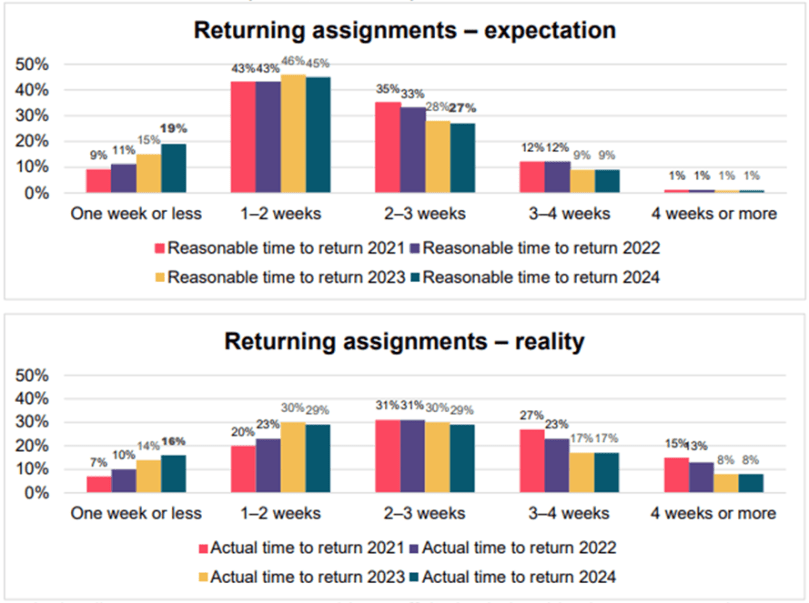
Plus, studies show most students expect feedback within two weeks, which is often an unrealistic timeframe for many teachers. That’s why it’s so important to find systems and tools that work for you, and that’s where the tech side comes in.
4. Use Online Tools for Feedback Collection
Let’s face it: paper feedback forms don’t connect with Gen Z in the same way that interactive media does.
The good news is there’s a whole world of awesome online tools to make collecting feedback a breeze. This isn’t just a tech upgrade, it’s a chance to rethink your whole approach to teaching. The folks at Ardoq explain business transformation as “reimagining the core aspects of an organization to achieve significant and lasting change”—which means, sometimes you need to shake things up to change the mood in the classroom.
So, ditch the old-school methods and try these ideas:
- Quick polls with tools like Google Forms or Mentimeter during class. Read those real-time comments to judge the sentiment of your class and go back over tricky concepts if needed.
- More in-depth reflections with SurveyMonkey and Typeform. Use these at the end of units or the semester so students can write about their overall experience of class.
- Make it fun with platforms like Kahoot and Quizlet Live. Friendly competition (AKA gamification) keeps students engaged, plus you get valuable data on their understanding.
You don’t need to become a tech whiz overnight—even incorporating a few tools will make a world of difference for you and your students.
5. Make Sure to Close the Feedback Loop
Getting feedback is great, but actually using it—that’s the real challenge in all this! Think of it like those cool value streams Ardoq explains about the business world. Imagine if all the effort that went into making a product just ended with… nothing. No improvements, no new versions, no taking that customer feedback and running with it.
Closing the feedback loop means:
- Sharing back with your students: You don’t have to get super detailed (unless you want to). Just let them know you’ve heard them, what changes you’ll be making (if any), and thank them for their honesty.
- Using those student insights: If they’re consistently saying they’d benefit from more group work or that a particular activity was confusing, find ways to adapt.
- Not being afraid to circle back: If you implemented a change based on their feedback, ask them how it’s working. Show them it’s an ongoing conversation—just like those value streams that keep products and services evolving, their feedback helps your teaching get better and better.

How to Measure Your Feedback Strategy’s Impact
So you’ve opened those feedback channels and are diligently using what you’ve learned. But how do you really know if it’s making a difference beyond just looking at grades? Think about it like this: in the business world, companies obsess over things like “customer acquisition costs,” which basically means they want to know how much they have to spend to get one new customer.
While you’re not exactly trying to “acquire customers”, measuring your feedback ROI can help you see if your efforts are worth it.
Beyond grades, here’s what to look for:
- Increased participation: Are more students raising their hands in class or chiming in during discussions?
- Shifts in attitude and mindset: Do they seem more open to taking risks? More comfortable asking for help when they need it?
- Trends over time: Those digital feedback tools we talked about can reveal patterns you might not even notice. Are there certain times of year when students are more stressed? Perhaps there are certain teaching styles they respond to better? Data doesn’t lie—so use it!
Conclusion
Incorporating student feedback into your teaching doesn’t have to be difficult. Just remember: it’s all about creating that safe, open space where those voices can truly be heard. The best part? When you put their feedback into action, you’re not just improving their experience—you’re becoming a better teacher in the process. Now go get ‘em!
