
Effective communication is the cornerstone of a thriving educational environment. Schools rely heavily on efficient communication channels to keep students, parents, and staff engaged and informed. Over the years, technology has revolutionized how schools communicate, with Student Information Systems (SIS) emerging as pivotal tools in this transformation. This article explores how a reliable SIS messaging feature like QuickSchools, plays a crucial role in enhancing communication, integrating various messaging formats, and connecting schools with their communities.
The Role of a Reliable Messaging Feature in School Information Systems

School communication used to be limited to physical notices, bulletin boards, and telephone calls. With the advent of digital technology, this landscape has transformed dramatically. Modern Student Information Systems now serve as comprehensive platforms that centralize various functions, including communication. This shift to digital platforms represents a significant leap in efficiency, allowing for more streamlined and organized communication processes.
Key Messaging Features in QuickSchools
QuickSchools is equipped with a suite of messaging features designed to cater to different communication needs. These include:
- Text Messaging: For quick, immediate updates and reminders.
- Voice Messaging: For automated calls and personal touches, such as reminders for parent-teacher conferences.
These features are integrated into the QuickSchools platform, enabling schools to manage all communications from a single interface, thus reducing the complexity and potential for miscommunication.
Improving Communication Efficiency
The integration of messaging features within QuickSchools has revolutionized communication efficiency in schools. Rather than juggling multiple communication tools, educators and administrators can send messages through a unified system. This saves time and ensures that messages reach their intended recipients quickly and reliably. Schools that have adopted QuickSchools report smoother communication workflows with students, parents, and teachers.
Integrated Communication: Email, Text, and Voice Messaging in Schools
Email Communication

Email remains a staple in educational communication for its ability to handle detailed and formal messages. QuickSchools enhances this capability by automating and organizing email communications. Schools can use email to distribute newsletters, send detailed updates about school events, and communicate important policy changes. For example, a school might use email to send a monthly newsletter summarizing student achievements, upcoming events, and important deadlines.
Text Messaging
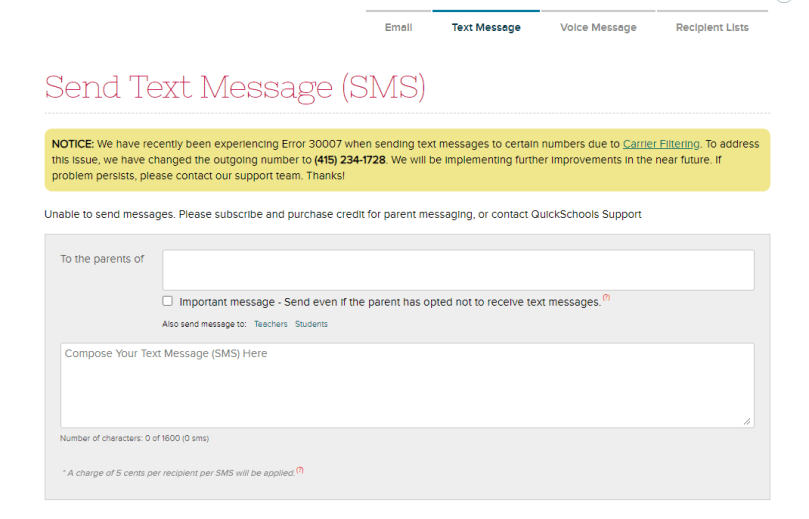
Text messaging offers a more immediate and informal communication channel, perfect for quick updates and reminders. QuickSchools integrates text messaging to ensure that crucial information, such as schedule changes, emergency alerts, or reminders about upcoming tests, reaches parents and students in real-time. This immediacy helps in ensuring that information is acted upon swiftly, enhancing overall responsiveness.
Voice Messaging
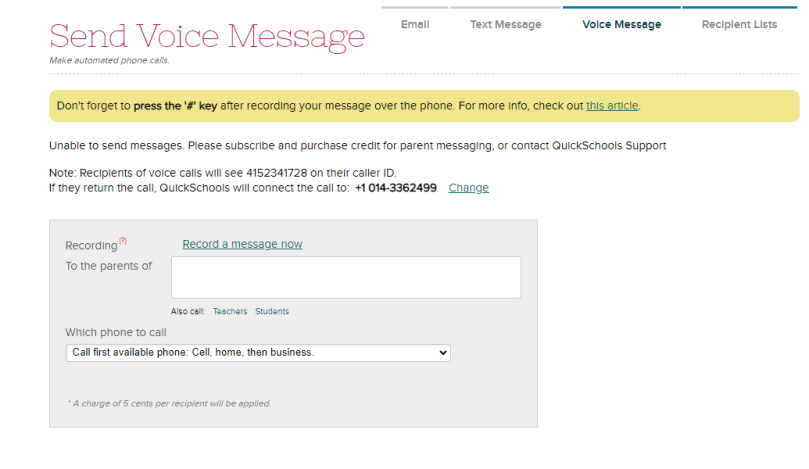
Voice messaging, often used in conjunction with automated calling systems, provides a personal touch and is effective for conveying urgent or time-sensitive information. Schools can use voice messaging to notify parents about emergencies, remind them of important events, or provide updates during school closures. This form of communication adds a human element to automated messages, which can be particularly valuable in maintaining a personal connection with the school community.
The Benefits of QuickSchools Messaging Features

Strengthening Parent-Teacher Communication
Effective communication between parents and teachers is essential for student success. QuickSchools’ messaging features facilitate regular updates on student progress, upcoming parent-teacher meetings, and other important information. This increased transparency helps parents stay engaged in their child’s education and increase parental involvement. It provides teachers with a reliable way to communicate key information, fostering a collaborative environment that supports student achievement.
Enhancing Student Engagement and Well-being
Students benefit greatly from timely updates and reminders about assignments, tests, and school events. By utilizing QuickSchools’ messaging features, schools can keep students informed and engaged, which can positively impact their academic performance and overall student well-being. For example, automated reminders about upcoming assignments can help students manage their time better and reduce the likelihood of missed deadlines.
Community Involvement and Support
QuickSchools’ messaging features also extend beyond the classroom to engage the broader community. Schools can use these tools to promote local events, invite community members to participate in school activities and solicit volunteer support. This community engagement strengthens the connection between schools and their surrounding neighborhoods, fostering a supportive environment for students.
Connecting Schools and Communities

Integrating a reliable SIS messaging feature has transformed school communication, making it more efficient, timely, and comprehensive. By leveraging email, text, and voice messaging, schools can enhance communication with students, parents, and the broader community. This approach is important for keeping student families happy and ensuring returning students.
As technology continues to evolve, the future of school communication looks bright, with even more opportunities for improving engagement and support. Schools are encouraged to explore and fully utilize their reliable SIS messaging feature capabilities to foster a more connected and communicative educational environment.
How has integrated messaging improved communication at your school? Let us know in the comments and let’s continue to enhance the way we connect and communicate in education.


[…] important information like schedules, grades, attendance, and announcements. This kind of visibility builds trust and helps parents take a more active role in their child’s […]